Buy gramatvede.eu ?
We are moving the project
gramatvede.eu .
Are you interested in purchasing the domain
gramatvede.eu ?
domain@kv-gmbh.de · 0541-91531010
Buy gramatvede.eu ?
What is the French grammar for 'avoir besoin de'?
In French, the expression "avoir besoin de" is followed by a noun or a verb in the infinitive form. For example, "J'ai besoin de café" (I need coffee) or "Il a besoin de dormir" (He needs to sleep). The preposition "de" is always used after "besoin" to indicate what is needed. **
What is the French grammar of 'avoir besoin de'?
In French, the expression "avoir besoin de" is followed by a noun or a verb in the infinitive form. For example, "J'ai besoin d'aide" (I need help) or "J'ai besoin de manger" (I need to eat). The preposition "de" is always used after "besoin" to link it to the noun or verb that follows. **

Similar search terms for Avoir
Top-Angebote
Products related to Avoir:
-
Monika Blunder Beauty Body Language Botanical Oil 100mLA body oil for dull skin. Intense hydration: Almond, Rosehip, and Marula Oils quench dryness. Natural luminosity: Meadowfoam oil gives skin a dewy sheen. Antioxidant protection: Edelweiss Extract defends against free radicals. Soft, supple skin: Arnica maintains skin's softness and suppleness. Transform your skin with Body Language Oil —a luxurious blend of nourishing oils and potent antioxidants.54,73 £*Shipping: 7,11 £Secure redirect to the provider

-
How is avoir formed?
The verb "avoir" is formed in the present tense by conjugating the verb as follows: j'ai (I have), tu as (you have), il/elle/on a (he/she/it has), nous avons (we have), vous avez (you have), ils/elles ont (they have). In the past tense, "avoir" is formed by using the auxiliary verb "avoir" followed by the past participle of the main verb. For example, "j'ai eu" (I had), "tu as eu" (you had), "il/elle/on a eu" (he/she/it had), "nous avons eu" (we had), "vous avez eu" (you had), "ils/elles ont eu" (they had). **
-
When do you conjugate "avoir"?
The verb "avoir" is conjugated when talking about possession or to form compound tenses such as the passé composé. In these cases, "avoir" is conjugated according to the subject of the sentence. For example, "J'ai un chat" (I have a cat) or "Nous avons mangé" (We have eaten). **
-
What are the forms of avoir?
The forms of the verb "avoir" in French are: j'ai (I have), tu as (you have), il/elle/on a (he/she/it has), nous avons (we have), vous avez (you have), ils/elles ont (they have). These forms are used to express possession or to form compound tenses such as the passé composé. "Avoir" is an irregular verb in French and is one of the most commonly used verbs in the language. **
-
Does "Passer" use "avoir" or "être"?
"Passer" uses the auxiliary verb "avoir" in compound tenses. For example, in the passé composé, you would say "j'ai passé" (I have passed) using the verb "avoir" as the auxiliary. **
Can you help me conjugate avoir?
Sure! The verb "avoir" is conjugated as follows: - J'ai (I have) - Tu as (You have) - Il/Elle/On a (He/She/One has) - Nous avons (We have) - Vous avez (You have) - Ils/Elles ont (They have) **
When are the following verbs used with "avoir"?
The following verbs are used with "avoir" when they are in the past tense. This includes actions that have been completed in the past, such as "j'ai mangé" (I ate), "tu as parlé" (you spoke), and "il a joué" (he played). These verbs indicate actions that have already happened and are no longer ongoing. **
Top-Angebote
Products related to Avoir:
-
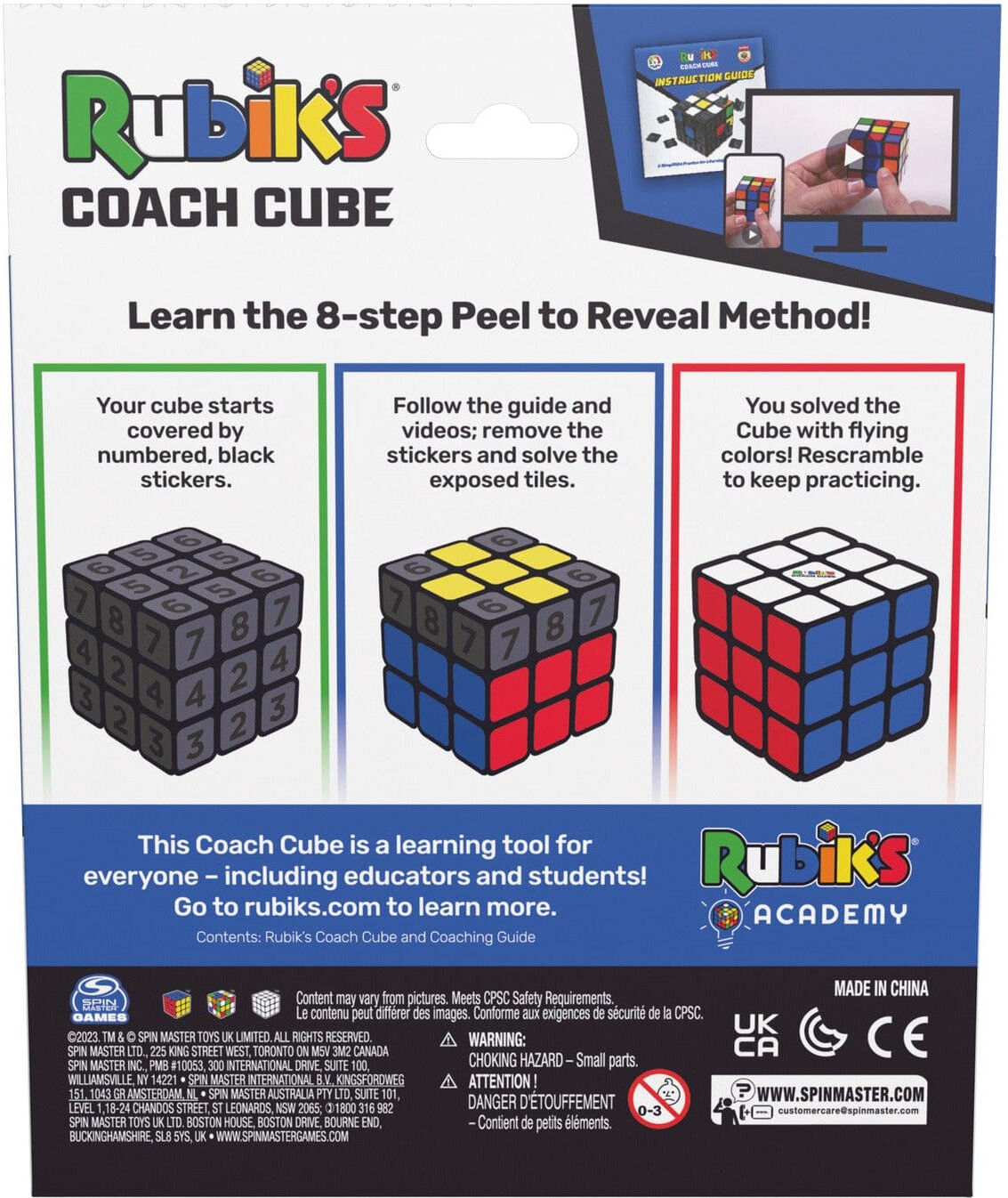
Spin Master Rubik's Tutor Cube Puzzle For Learning Skills All Ages - Supports learning skills for all ages, compact, sturdy design, great gift ideaMeet the Rubik's Tutor Cube, a clever twist on the classic puzzle that combines fun and learning. Perfect for curious minds of all ages, it helps develop problem-solving skills while you play. Designed with learning in mind, the Tutor Cube guides you through pattern recognition, planning, and persistence. Its compact, sturdy design makes it easy to pick up and put down, making it ideal for short practice sessions, family game nights, or a quiet moment of concentration during a busy day. The Rubik's Tutor Cube is a great gift idea for birthdays, holidays, or classroom rewards. It can be enjoyed as a learning tool, a display piece on a shelf, or a collectible for puzzle fans. The Tutor Cube is a thoughtful gift for kids and grown-ups alike who love a clever challenge.12,89 £*Shipping: 1,99 £Secure redirect to the provider
-
Learning Resources Scramboozle Educational Game for Kids, Ages 6 and up, Encourages Critical Thinking and Boosts Vocabulary SkillsIntroduce your little ones to the exciting world of learning with the Learning Resources Scramboozle Educational Game for Kids. This engaging game is designed to make learning fun while enhancing essential skills such as critical thinking, vocabulary, and teamwork. With its colorful cards and playful design, Scramboozle stimulates imagination and encourages interactive play. Perfect for family game nights or friendly competitions, Scramboozle invites children to decode silly words and race against the clock. It’s a delightful journey into creativity and language that can be enjoyed by children aged 6 and up. Whether it's a gift for a birthday, a classroom resource, or a way to bond with friends, Scramboozle makes learning an adventure. This game encourages critical thinking and boosts vocabulary skills with its colorful and engaging design.9,59 £*Shipping: 1,99 £Secure redirect to the provider
-
Monika Blunder Beauty Body Language Botanical Oil 100mLA body oil for dull skin. Intense hydration: Almond, Rosehip, and Marula Oils quench dryness. Natural luminosity: Meadowfoam oil gives skin a dewy sheen. Antioxidant protection: Edelweiss Extract defends against free radicals. Soft, supple skin: Arnica maintains skin's softness and suppleness. Transform your skin with Body Language Oil —a luxurious blend of nourishing oils and potent antioxidants.54,73 £*Shipping: 7,11 £Secure redirect to the provider
-
What is the French grammar for 'avoir besoin de'?
In French, the expression "avoir besoin de" is followed by a noun or a verb in the infinitive form. For example, "J'ai besoin de café" (I need coffee) or "Il a besoin de dormir" (He needs to sleep). The preposition "de" is always used after "besoin" to indicate what is needed. **
-
What is the French grammar of 'avoir besoin de'?
In French, the expression "avoir besoin de" is followed by a noun or a verb in the infinitive form. For example, "J'ai besoin d'aide" (I need help) or "J'ai besoin de manger" (I need to eat). The preposition "de" is always used after "besoin" to link it to the noun or verb that follows. **
-
How is avoir formed?
The verb "avoir" is formed in the present tense by conjugating the verb as follows: j'ai (I have), tu as (you have), il/elle/on a (he/she/it has), nous avons (we have), vous avez (you have), ils/elles ont (they have). In the past tense, "avoir" is formed by using the auxiliary verb "avoir" followed by the past participle of the main verb. For example, "j'ai eu" (I had), "tu as eu" (you had), "il/elle/on a eu" (he/she/it had), "nous avons eu" (we had), "vous avez eu" (you had), "ils/elles ont eu" (they had). **
-
When do you conjugate "avoir"?
The verb "avoir" is conjugated when talking about possession or to form compound tenses such as the passé composé. In these cases, "avoir" is conjugated according to the subject of the sentence. For example, "J'ai un chat" (I have a cat) or "Nous avons mangé" (We have eaten). **
Similar search terms for Avoir
-
What are the forms of avoir?
The forms of the verb "avoir" in French are: j'ai (I have), tu as (you have), il/elle/on a (he/she/it has), nous avons (we have), vous avez (you have), ils/elles ont (they have). These forms are used to express possession or to form compound tenses such as the passé composé. "Avoir" is an irregular verb in French and is one of the most commonly used verbs in the language. **
-
Does "Passer" use "avoir" or "être"?
"Passer" uses the auxiliary verb "avoir" in compound tenses. For example, in the passé composé, you would say "j'ai passé" (I have passed) using the verb "avoir" as the auxiliary. **
-
Can you help me conjugate avoir?
Sure! The verb "avoir" is conjugated as follows: - J'ai (I have) - Tu as (You have) - Il/Elle/On a (He/She/One has) - Nous avons (We have) - Vous avez (You have) - Ils/Elles ont (They have) **
-
When are the following verbs used with "avoir"?
The following verbs are used with "avoir" when they are in the past tense. This includes actions that have been completed in the past, such as "j'ai mangé" (I ate), "tu as parlé" (you spoke), and "il a joué" (he played). These verbs indicate actions that have already happened and are no longer ongoing. **
* All prices are inclusive of VAT and, if applicable, plus shipping costs. The offer information is based on the details provided by the respective shop and is updated through automated processes. Real-time updates do not occur, so deviations can occur in individual cases. ** Note: Parts of this content were created by AI.