Buy gramatvede.eu ?
We are moving the project
gramatvede.eu .
Are you interested in purchasing the domain
gramatvede.eu ?
domain@kv-gmbh.de · 0541-91531010
Buy gramatvede.eu ?
Could one develop their own language?
Yes, it is possible for someone to develop their own language. Creating a new language, known as a conlang (constructed language), involves establishing grammar rules, vocabulary, and possibly even a writing system. Many people have created their own languages for various reasons, such as artistic expression, world-building for fictional works, or to experiment with linguistic concepts. Developing a language can be a complex and time-consuming process, but with dedication and creativity, it is achievable. **
How does language develop over time?
Language develops over time through a combination of cultural, social, and historical influences. It evolves as people interact and communicate with each other, adapting to new contexts and needs. Changes in language can be driven by technological advancements, migration, and the blending of different linguistic traditions. Over time, languages can also borrow words and expressions from other languages, leading to a rich and diverse linguistic landscape. Additionally, language development is influenced by shifts in power dynamics, as dominant languages may influence or even replace minority languages. **

Similar search terms for Develop
Top-Angebote
Products related to Develop:
-
Lagom The Silent Guides: How to understand and develop children's emotions, thinking and behavioursThe Silent Guides: How to understand and develop children's emotions, thinking and behaviours FROM THE AUTHOR OF THE MILLION-COPY SELLING The Chimp ParadoxHow can we help our children:· become more resilient?· get over mistakes?· develop a positive outlook?And, what can we do to become better role models?Prof Steve Peters uses his Chimp Mind Management Model to help parents, teachers and carers understand the neuroscience behind unconscious beliefs and habits that may be silently guiding children's emotions, thinking and behaviours. The Silent Guides explores ten positive habits and many related themes taken from the children's educational book My Hidden Chimp. Prof Steve Peters helps challenge unhelpful behaviours such as:· being overly self-critical· fear of failure· low self-esteem8,99 £*Shipping: 2,99 £Secure redirect to the provider
-
Wilco International LLP How to Develop Self-Confidence and Influence People by Public Speaking by Dale Carnegie [HB]In How to Develop Self-Confidence and Influence People by Public Speaking, Dale Carnegie, a renowned personal development expert, shares his secrets to commanding attention and inspiring others through the power of effective communication. Whether you're looking to craft compelling speeches or master the art of persuasion, this guide equips you with the tools to success in both professional and personal arenas. With Carnegie's renowned insight and encouragement, How to Develop Self-Confidence and Influence People by Public Speaking empowers you to unleash your potential, elevate your influence, and leave a lasting impact on the world.3,99 £*Shipping: 1,99 £Secure redirect to the provider
-
Wilco International LLP How to Develop Self-Confidence & Influence People by Dale Carnegie (Deluxe Hardback Sprayed Edge Edition)In How to Develop Self-Confidence and Influence People by Public Speaking, Dale Carnegie, a renowned personal development expert, shares his secrets to commanding attention and inspiring others through the power of effective communication. Whether you're looking to craft compelling speeches or master the art of persuasion, this guide equips you with the tools to succeed in both professional and personal arenas. With Carnegie's renowned insight and encouragement, unleash your potential, elevate your influence, and leave a lasting impact on the world.4,99 £*Shipping: 1,99 £Secure redirect to the provider
-
Cambridge University Press English Grammar in Use with Answers by Raymond Murphy – Self-Study Grammar Book for Intermediate LearnersEnglish Grammar in Use with Answers; authored by Raymond Murphy; is the first choice for intermediate (B1-B2) learners and covers all the grammar required at this level. It is a self-study book with simple explanations and lots of practice exercises; and has helped millions of people around the world to communicate in English. It is also trusted by teachers and can be used as a supplementary text in classrooms.12,49 £*Shipping: 2,99 £Secure redirect to the provider

![Wilco International LLP How to Develop Self-Confidence and Influence People by Public Speaking by Dale Carnegie [HB]](https://cdn.adindex.com/oimg/4c77a20f-0f7f-4e37-b2a2-bb1e12a50c8a)


-
How do I develop a constructed language?
To develop a constructed language, start by defining the purpose and structure of the language. Consider the phonology, grammar, and vocabulary you want to include. Create a consistent set of rules for the language, including sound patterns, word formation, and sentence structure. It can also be helpful to develop a writing system and cultural context for the language to make it feel more complete and realistic. Finally, test the language with others and make adjustments based on feedback to refine and improve it. **
-
Should one learn grammar or vocabulary first when learning Japanese?
When learning Japanese, it is generally recommended to start with vocabulary before diving into grammar. Building a strong vocabulary base will help you understand and communicate better in the language. Once you have a good grasp of basic vocabulary, you can then focus on learning grammar rules to structure your sentences correctly. Ultimately, a balance of both vocabulary and grammar is essential for mastering Japanese. **
-
How does the German language develop over time?
The German language has evolved over time through various influences, including the migration of different Germanic tribes, contact with Latin during the Roman Empire, and interactions with neighboring languages like French and English. The standardization of German began in the 16th century with the publication of Luther's Bible, which helped establish a common written form of the language. Modern German continues to evolve with the introduction of new words and expressions, as well as changes in pronunciation and grammar influenced by societal and technological developments. **
-
How can one develop their own programming language?
To develop your own programming language, you will need to have a strong understanding of programming concepts and language design. Start by defining the goals and features of your language, such as syntax, data types, and control structures. Then, choose a suitable implementation approach, such as creating a compiler or interpreter. Next, design the grammar and semantics of your language, and implement it using a programming language like C or Python. Finally, test and refine your language to ensure it is functional and efficient. It's also important to seek feedback from other programmers and continue to iterate on your language to improve its usability and performance. **

How do you develop your own programming language?
Developing your own programming language involves several key steps. First, you need to define the syntax and semantics of the language, including its keywords, operators, and data types. Then, you'll need to design and implement a parser to translate the language's syntax into a form that the computer can understand. Next, you'll need to create a compiler or interpreter to translate the parsed code into executable instructions. Finally, you'll need to test and refine your language to ensure it functions as intended. Throughout this process, it's important to consider the needs of potential users and the specific problem domain your language is designed to address. **
How will youth language develop in the year 2028?
In 2028, youth language is likely to continue evolving with the influence of technology and social media. The use of emojis, slang, and abbreviations will likely become even more prevalent as communication becomes increasingly digital. Additionally, the blending of different languages and cultural influences will continue to shape the way young people communicate. As new trends and cultural shifts emerge, youth language will adapt and develop to reflect these changes. **
Top-Angebote
Products related to Develop:
-
Tiny Tots Teens Trends Hedgehog Montessori Educational Toy Fine Motor Toys For Toddlers Learning Counting & Training Develop Concentration Sensory Gift Hedgehog Montessori Educational Toy Fine Motor Toys For Toddlers Learning Counting & Training Develop CIntroducing the Hedgehog Montessori Educational Toyan engaging and educational toy designed to boost your toddler's development through fun, interactive play. This fine motor toy for toddlers is perfect for little hands, helping them improve their...99,97 $*Shipping: 0,00 $Secure redirect to the provider
-
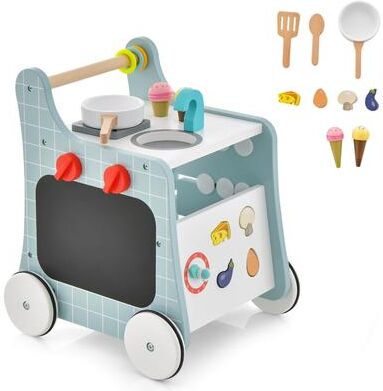
6 in 1 Wooden Baby Walker w/Shape Sorter & Develop Motor SkillsOffer diverse play modes for your little one with our 6-in-1 wooden baby activity walker! Crafted from child-safe materials and featuring a sturdy build, this wooden play center grows alongside your little one.82,49 $*Shipping: 0,00 $Secure redirect to the provider
-
Lagom The Silent Guides: How to understand and develop children's emotions, thinking and behavioursThe Silent Guides: How to understand and develop children's emotions, thinking and behaviours FROM THE AUTHOR OF THE MILLION-COPY SELLING The Chimp ParadoxHow can we help our children:· become more resilient?· get over mistakes?· develop a positive outlook?And, what can we do to become better role models?Prof Steve Peters uses his Chimp Mind Management Model to help parents, teachers and carers understand the neuroscience behind unconscious beliefs and habits that may be silently guiding children's emotions, thinking and behaviours. The Silent Guides explores ten positive habits and many related themes taken from the children's educational book My Hidden Chimp. Prof Steve Peters helps challenge unhelpful behaviours such as:· being overly self-critical· fear of failure· low self-esteem8,99 £*Shipping: 2,99 £Secure redirect to the provider
-
Wilco International LLP How to Develop Self-Confidence and Influence People by Public Speaking by Dale Carnegie [HB]In How to Develop Self-Confidence and Influence People by Public Speaking, Dale Carnegie, a renowned personal development expert, shares his secrets to commanding attention and inspiring others through the power of effective communication. Whether you're looking to craft compelling speeches or master the art of persuasion, this guide equips you with the tools to success in both professional and personal arenas. With Carnegie's renowned insight and encouragement, How to Develop Self-Confidence and Influence People by Public Speaking empowers you to unleash your potential, elevate your influence, and leave a lasting impact on the world.3,99 £*Shipping: 1,99 £Secure redirect to the provider
-
Could one develop their own language?
Yes, it is possible for someone to develop their own language. Creating a new language, known as a conlang (constructed language), involves establishing grammar rules, vocabulary, and possibly even a writing system. Many people have created their own languages for various reasons, such as artistic expression, world-building for fictional works, or to experiment with linguistic concepts. Developing a language can be a complex and time-consuming process, but with dedication and creativity, it is achievable. **
-
How does language develop over time?
Language develops over time through a combination of cultural, social, and historical influences. It evolves as people interact and communicate with each other, adapting to new contexts and needs. Changes in language can be driven by technological advancements, migration, and the blending of different linguistic traditions. Over time, languages can also borrow words and expressions from other languages, leading to a rich and diverse linguistic landscape. Additionally, language development is influenced by shifts in power dynamics, as dominant languages may influence or even replace minority languages. **
-
How do I develop a constructed language?
To develop a constructed language, start by defining the purpose and structure of the language. Consider the phonology, grammar, and vocabulary you want to include. Create a consistent set of rules for the language, including sound patterns, word formation, and sentence structure. It can also be helpful to develop a writing system and cultural context for the language to make it feel more complete and realistic. Finally, test the language with others and make adjustments based on feedback to refine and improve it. **
-
Should one learn grammar or vocabulary first when learning Japanese?
When learning Japanese, it is generally recommended to start with vocabulary before diving into grammar. Building a strong vocabulary base will help you understand and communicate better in the language. Once you have a good grasp of basic vocabulary, you can then focus on learning grammar rules to structure your sentences correctly. Ultimately, a balance of both vocabulary and grammar is essential for mastering Japanese. **
Similar search terms for Develop
-
Wilco International LLP How to Develop Self-Confidence & Influence People by Dale Carnegie (Deluxe Hardback Sprayed Edge Edition)In How to Develop Self-Confidence and Influence People by Public Speaking, Dale Carnegie, a renowned personal development expert, shares his secrets to commanding attention and inspiring others through the power of effective communication. Whether you're looking to craft compelling speeches or master the art of persuasion, this guide equips you with the tools to succeed in both professional and personal arenas. With Carnegie's renowned insight and encouragement, unleash your potential, elevate your influence, and leave a lasting impact on the world.4,99 £*Shipping: 1,99 £Secure redirect to the provider
-
Cambridge University Press English Grammar in Use with Answers by Raymond Murphy – Self-Study Grammar Book for Intermediate LearnersEnglish Grammar in Use with Answers; authored by Raymond Murphy; is the first choice for intermediate (B1-B2) learners and covers all the grammar required at this level. It is a self-study book with simple explanations and lots of practice exercises; and has helped millions of people around the world to communicate in English. It is also trusted by teachers and can be used as a supplementary text in classrooms.12,49 £*Shipping: 2,99 £Secure redirect to the provider
-
Monika Blunder Beauty Body Language Botanical Oil 100mLA body oil for dull skin. Intense hydration: Almond, Rosehip, and Marula Oils quench dryness. Natural luminosity: Meadowfoam oil gives skin a dewy sheen. Antioxidant protection: Edelweiss Extract defends against free radicals. Soft, supple skin: Arnica maintains skin's softness and suppleness. Transform your skin with Body Language Oil —a luxurious blend of nourishing oils and potent antioxidants.54,73 £*Shipping: 7,11 £Secure redirect to the provider
-
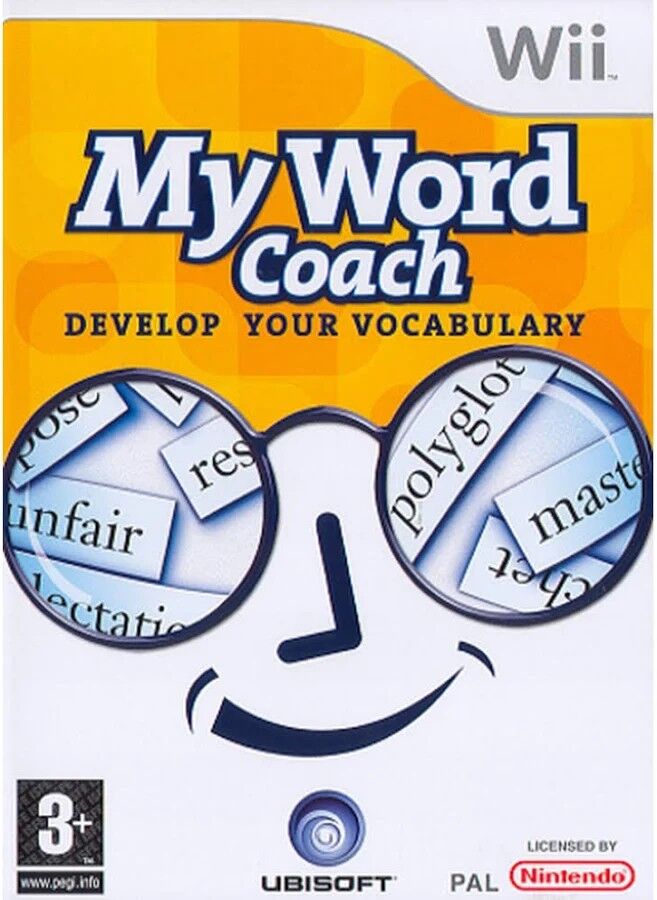
Ubisoft My Word Coach (Wii) Vocabulary Building Educational Game - YellowMy Word Coach (Wii) – Vocabulary Building Educational Game – Yellow Product Description My Word Coach for Wii is an interactive educational game designed to improve vocabulary, spelling, and word usage skills in a fun and engaging way. Developed as a brain-training style experience, it helps players expand their language abilities through mini-games, challenges, and progressive difficulty levels. The game is suitable for players of all ages who want to strengthen their English language skills while enjoying gameplay on the Nintendo Wii console. It includes a variety of activities that focus on word recognition, definitions, spelling accuracy, and vocabulary building. As players progress, the challenges become more advanced, helping to continuously improve language skills over time. With its simple controls using the Wii Remote, My Word Coach makes learning interactive and accessible. It encourages consistent practice through daily challenges and score tracking, making it both educational and motivating. This Yellow edition packaging presents a bright and eye-catching design, making it a great addition for educational game collectors or families looking for learning-focused entertainment.8,49 £*Shipping: 0,00 £Secure redirect to the provider
-
How does the German language develop over time?
The German language has evolved over time through various influences, including the migration of different Germanic tribes, contact with Latin during the Roman Empire, and interactions with neighboring languages like French and English. The standardization of German began in the 16th century with the publication of Luther's Bible, which helped establish a common written form of the language. Modern German continues to evolve with the introduction of new words and expressions, as well as changes in pronunciation and grammar influenced by societal and technological developments. **
-
How can one develop their own programming language?
To develop your own programming language, you will need to have a strong understanding of programming concepts and language design. Start by defining the goals and features of your language, such as syntax, data types, and control structures. Then, choose a suitable implementation approach, such as creating a compiler or interpreter. Next, design the grammar and semantics of your language, and implement it using a programming language like C or Python. Finally, test and refine your language to ensure it is functional and efficient. It's also important to seek feedback from other programmers and continue to iterate on your language to improve its usability and performance. **
-
How do you develop your own programming language?
Developing your own programming language involves several key steps. First, you need to define the syntax and semantics of the language, including its keywords, operators, and data types. Then, you'll need to design and implement a parser to translate the language's syntax into a form that the computer can understand. Next, you'll need to create a compiler or interpreter to translate the parsed code into executable instructions. Finally, you'll need to test and refine your language to ensure it functions as intended. Throughout this process, it's important to consider the needs of potential users and the specific problem domain your language is designed to address. **
-
How will youth language develop in the year 2028?
In 2028, youth language is likely to continue evolving with the influence of technology and social media. The use of emojis, slang, and abbreviations will likely become even more prevalent as communication becomes increasingly digital. Additionally, the blending of different languages and cultural influences will continue to shape the way young people communicate. As new trends and cultural shifts emerge, youth language will adapt and develop to reflect these changes. **
* All prices are inclusive of VAT and, if applicable, plus shipping costs. The offer information is based on the details provided by the respective shop and is updated through automated processes. Real-time updates do not occur, so deviations can occur in individual cases. ** Note: Parts of this content were created by AI.