Buy gramatvede.eu ?
We are moving the project
gramatvede.eu .
Are you interested in purchasing the domain
gramatvede.eu ?
domain@kv-gmbh.de · 0541-91531010
Buy gramatvede.eu ?
How does youth language differ from adult language?
Youth language often includes slang, informal expressions, and abbreviations that are popular among young people but may not be commonly used by adults. It tends to evolve quickly and reflect current trends and cultural influences. In contrast, adult language is typically more formal, structured, and conservative, drawing on a wider vocabulary and adhering to traditional grammar rules. Additionally, youth language may be more influenced by digital communication and social media platforms. **
To what extent do language intuition and language talent differ?
Language intuition and language talent differ in that language intuition refers to a person's natural ability to understand and use language effectively, while language talent refers to a person's exceptional ability to learn and master languages quickly and easily. Language intuition is more about having a feel for how language works and being able to communicate effectively, while language talent involves a higher level of proficiency and skill in learning multiple languages. While some people may have a strong language intuition but not necessarily a talent for learning languages, others may possess both intuition and talent, allowing them to excel in language acquisition. **

Similar search terms for Differ
Top-Angebote
Products related to Differ:
-
Everyday Crate Smart Azan Prayer Clock With Hijri Calendar, Temperature Display & Dual Language Alarm Smart Azan Prayer Clock With Hijri Calendar, Temperature Display & Dual Language AlarmFeel confident knowing every prayer time is right at your fingertips. This Azan clock is designed for Muslims who want a simple, reliable way to stay connected to daily prayers while keeping track of time, date, and temperature. Featuring automatic...49,97 $*Shipping: 0,00 $Secure redirect to the provider
-
KC Cubs: Educational Rug: ABC Alphabet ASL Sign Language, 5x7' PlaymatKC CUBS 5X7 ABC ALPHABET ASL SIGN LANGUAGE RUG - Introduce your child to the world of American Sign Language (ASL) in the most colorful and engaging way with the KC Cubs ASL Alphabet Educational Rug.81,99 $*Shipping: 0,00 $Secure redirect to the provider
-
KC Cubs: Educational Rug: ABC Alphabet ASL Sign Language, 3x5' PlaymatKC CUBS 3X5 ABC ALPHABET ASL SIGN LANGUAGE RUG - Introduce your child to the world of American Sign Language (ASL) in the most colorful and engaging way with the KC Cubs ASL Alphabet Educational Rug.53,99 $*Shipping: 0,00 $Secure redirect to the provider
-
DK Help Your Kids with English Ages 10–16 – KS3 & KS4 Grammar, Writing & Revision GuideIf English is sounding like a foreign language, make it easy and effortless with the ultimate study guide. This visual reference book takes you through all the different parts of the English language, leaving you ready to help your children tackle the trickiest of subjects. Carol Vorderman's unique study aid encourages parents and children to work together as a team to understand and use all aspects of the English language, including grammar, punctuation, and spelling.This latest title in the best-selling Help Your Kids series combines pictures, diagrams, instructions, and examples to cover the components of the school syllabus, while building knowledge, boosting confidence, and aiding understanding. With your support, children can overcome the challenges of English, leaving them calm, confident, and exam ready.9,99 £*Shipping: 2,99 £Secure redirect to the provider




-
Why does youth language differ so much from adult language?
Youth language often differs from adult language due to the desire for young people to establish their own identity and differentiate themselves from older generations. This can lead to the creation of slang terms, new vocabulary, and unique communication styles that reflect the interests and experiences of young people. Additionally, youth language is influenced by popular culture, social media, and peer groups, which can further contribute to the differences between youth and adult language. Overall, the evolution of youth language is a natural part of generational change and the constant innovation and adaptation of language. **
-
How does writing differ from actual spoken language?
Writing differs from actual spoken language in several ways. Firstly, writing is a more formal and structured form of communication compared to spoken language, which is often more casual and spontaneous. Additionally, writing allows for more time to carefully choose words and construct sentences, whereas spoken language is more immediate and can include filler words or pauses. Finally, writing can be edited and revised before being shared, while spoken language is typically more ephemeral and cannot be easily changed once spoken. **
-
How does sign language differ in different countries?
Sign language differs in different countries due to the influence of the local spoken language, cultural differences, and historical development. For example, American Sign Language (ASL) is different from British Sign Language (BSL) because they developed independently and have different grammatical structures and vocabulary. Additionally, some countries may have regional variations of sign language, similar to how spoken languages have dialects. Overall, the differences in sign language across countries reflect the diversity and uniqueness of each deaf community and their language. **
-
Should one learn grammar or vocabulary first when learning Japanese?
When learning Japanese, it is generally recommended to start with vocabulary before diving into grammar. Building a strong vocabulary base will help you understand and communicate better in the language. Once you have a good grasp of basic vocabulary, you can then focus on learning grammar rules to structure your sentences correctly. Ultimately, a balance of both vocabulary and grammar is essential for mastering Japanese. **

How do learning disabled individuals differ from intellectually disabled individuals?
Learning disabled individuals have difficulties with specific academic skills, such as reading, writing, or math, despite having average or above-average intelligence. On the other hand, intellectually disabled individuals have limitations in intellectual functioning and adaptive behavior, which affects their everyday functioning. While learning disabled individuals may struggle with certain academic tasks, intellectually disabled individuals have more general cognitive limitations that impact their overall ability to learn and function in daily life. Additionally, learning disabilities are often identified through specific assessments and testing, while intellectual disabilities are diagnosed through comprehensive evaluations of cognitive and adaptive functioning. **
How does studying in college differ from other learning methods?
Studying in college differs from other learning methods in several ways. Firstly, college education provides a structured and comprehensive curriculum that covers a wide range of subjects and topics, allowing students to gain in-depth knowledge and critical thinking skills. Additionally, college learning involves more independent study and research, as students are expected to take responsibility for their own learning and seek out additional resources. Furthermore, college education often includes opportunities for hands-on experience, internships, and collaborative projects, which can enhance practical skills and real-world application of knowledge. Overall, studying in college offers a more immersive and specialized learning experience compared to other methods. **
Top-Angebote
Products related to Differ:
-
Ubisoft My Word Coach (Wii) Vocabulary Building Educational Game - YellowMy Word Coach (Wii) – Vocabulary Building Educational Game – Yellow Product Description My Word Coach for Wii is an interactive educational game designed to improve vocabulary, spelling, and word usage skills in a fun and engaging way. Developed as a brain-training style experience, it helps players expand their language abilities through mini-games, challenges, and progressive difficulty levels. The game is suitable for players of all ages who want to strengthen their English language skills while enjoying gameplay on the Nintendo Wii console. It includes a variety of activities that focus on word recognition, definitions, spelling accuracy, and vocabulary building. As players progress, the challenges become more advanced, helping to continuously improve language skills over time. With its simple controls using the Wii Remote, My Word Coach makes learning interactive and accessible. It encourages consistent practice through daily challenges and score tracking, making it both educational and motivating. This Yellow edition packaging presents a bright and eye-catching design, making it a great addition for educational game collectors or families looking for learning-focused entertainment.8,49 £*Shipping: 0,00 £Secure redirect to the provider
-
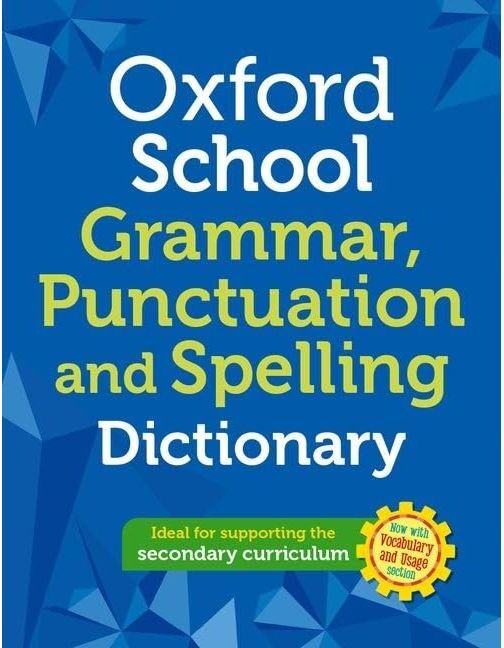
OXFORD UNIVERSITY PRESS Oxford School Spelling Punctuation And Grammar DictionaryWith a clear, colour layout, this is a dictionary with a difference. It covers all the grammar terms required for the KS3 curriculum, punctuation marks and when to use them, and spelling rules, tips and examples. New for this edition is a section on vocabulary and usage which provides perfect support for building language in context and improving writing skills in secondary school. Finally, there is an alphabetical dictionary of tricky spellings with hints and tips on how to avoid making common spelling mistakes. These words are chosen using analysis of real children's writing in the Oxford Children's Corpus. This unique dictionary is a valuable resource for exam preparation, including GCSEs. Online activities provide easy practice at home or can be usedas part of lesson starters and homework. For free downloadable activity worksheets, go to www.oxfordschooldictionaries.com.7,90 £*Shipping: 2,99 £Secure redirect to the provider
-
Everyday Crate Smart Azan Prayer Clock With Hijri Calendar, Temperature Display & Dual Language Alarm Smart Azan Prayer Clock With Hijri Calendar, Temperature Display & Dual Language AlarmFeel confident knowing every prayer time is right at your fingertips. This Azan clock is designed for Muslims who want a simple, reliable way to stay connected to daily prayers while keeping track of time, date, and temperature. Featuring automatic...49,97 $*Shipping: 0,00 $Secure redirect to the provider
-
KC Cubs: Educational Rug: ABC Alphabet ASL Sign Language, 5x7' PlaymatKC CUBS 5X7 ABC ALPHABET ASL SIGN LANGUAGE RUG - Introduce your child to the world of American Sign Language (ASL) in the most colorful and engaging way with the KC Cubs ASL Alphabet Educational Rug.81,99 $*Shipping: 0,00 $Secure redirect to the provider
-
How does youth language differ from adult language?
Youth language often includes slang, informal expressions, and abbreviations that are popular among young people but may not be commonly used by adults. It tends to evolve quickly and reflect current trends and cultural influences. In contrast, adult language is typically more formal, structured, and conservative, drawing on a wider vocabulary and adhering to traditional grammar rules. Additionally, youth language may be more influenced by digital communication and social media platforms. **
-
To what extent do language intuition and language talent differ?
Language intuition and language talent differ in that language intuition refers to a person's natural ability to understand and use language effectively, while language talent refers to a person's exceptional ability to learn and master languages quickly and easily. Language intuition is more about having a feel for how language works and being able to communicate effectively, while language talent involves a higher level of proficiency and skill in learning multiple languages. While some people may have a strong language intuition but not necessarily a talent for learning languages, others may possess both intuition and talent, allowing them to excel in language acquisition. **
-
Why does youth language differ so much from adult language?
Youth language often differs from adult language due to the desire for young people to establish their own identity and differentiate themselves from older generations. This can lead to the creation of slang terms, new vocabulary, and unique communication styles that reflect the interests and experiences of young people. Additionally, youth language is influenced by popular culture, social media, and peer groups, which can further contribute to the differences between youth and adult language. Overall, the evolution of youth language is a natural part of generational change and the constant innovation and adaptation of language. **
-
How does writing differ from actual spoken language?
Writing differs from actual spoken language in several ways. Firstly, writing is a more formal and structured form of communication compared to spoken language, which is often more casual and spontaneous. Additionally, writing allows for more time to carefully choose words and construct sentences, whereas spoken language is more immediate and can include filler words or pauses. Finally, writing can be edited and revised before being shared, while spoken language is typically more ephemeral and cannot be easily changed once spoken. **
Similar search terms for Differ
-
KC Cubs: Educational Rug: ABC Alphabet ASL Sign Language, 3x5' PlaymatKC CUBS 3X5 ABC ALPHABET ASL SIGN LANGUAGE RUG - Introduce your child to the world of American Sign Language (ASL) in the most colorful and engaging way with the KC Cubs ASL Alphabet Educational Rug.53,99 $*Shipping: 0,00 $Secure redirect to the provider
-
DK Help Your Kids with English Ages 10–16 – KS3 & KS4 Grammar, Writing & Revision GuideIf English is sounding like a foreign language, make it easy and effortless with the ultimate study guide. This visual reference book takes you through all the different parts of the English language, leaving you ready to help your children tackle the trickiest of subjects. Carol Vorderman's unique study aid encourages parents and children to work together as a team to understand and use all aspects of the English language, including grammar, punctuation, and spelling.This latest title in the best-selling Help Your Kids series combines pictures, diagrams, instructions, and examples to cover the components of the school syllabus, while building knowledge, boosting confidence, and aiding understanding. With your support, children can overcome the challenges of English, leaving them calm, confident, and exam ready.9,99 £*Shipping: 2,99 £Secure redirect to the provider
-
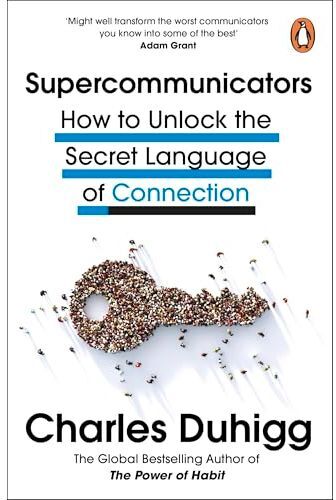
Penguin Supercommunicators: How to Unlock the Secret Language of Connection by Charles DuhiggWho and what are supercommunicators? They're the people who can steer a conversation to a successful conclusion. They are able to talk about difficult topics without giving offence. They know how to make others feel at ease and share what they think. They're brilliant facilitators and decision-guiders. How do they do it? In this groundbreaking new book, Charles Duhigg unravels the secrets of the supercommunicators to reveal the art – and the science – of successful communication. He unpicks the different types of everyday conversation and pinpoints why some go smoothly while others swiftly fall apart. He reveals the conversational questions and gambits that bring people together. And he shows how even the most tricky of encounters can be turned around. In the process, he shows why a CIA operative was able to win over a reluctant spy, how a member of a jury got his fellow jurors to view an open-and-shut case differently, and what a doctor found they needed to do to engage with a vaccine sceptic. Above all, he reveals the techniques we can all master to successfully connect with others, however tricky the circumstances. Packed with fascinating case studies and drawing on cutting-edge research, this book will change the way you think about what you say, and how you say it.9,99 £*Shipping: 2,99 £Secure redirect to the provider
-
The Cart Load NEW Educational Learning Toys For Kids, Toddlers, Interactive Learning Pad, Best Early Learning Tool For Children NEW Educational Learning Toys For Kids, Toddlers, Interactive Learning Pad, Best Early Learning Tool For ChildrenStimulate Learning Through Synergy with the NEW Educational Learning Toys for Kid Give your child a head start in their learning journey with the NEW Educational Learning Toys for Kids, designed to captivate and engage toddlers aged 2 to 7. This...39,97 $*Shipping: 0,00 $Secure redirect to the provider
-
How does sign language differ in different countries?
Sign language differs in different countries due to the influence of the local spoken language, cultural differences, and historical development. For example, American Sign Language (ASL) is different from British Sign Language (BSL) because they developed independently and have different grammatical structures and vocabulary. Additionally, some countries may have regional variations of sign language, similar to how spoken languages have dialects. Overall, the differences in sign language across countries reflect the diversity and uniqueness of each deaf community and their language. **
-
Should one learn grammar or vocabulary first when learning Japanese?
When learning Japanese, it is generally recommended to start with vocabulary before diving into grammar. Building a strong vocabulary base will help you understand and communicate better in the language. Once you have a good grasp of basic vocabulary, you can then focus on learning grammar rules to structure your sentences correctly. Ultimately, a balance of both vocabulary and grammar is essential for mastering Japanese. **
-
How do learning disabled individuals differ from intellectually disabled individuals?
Learning disabled individuals have difficulties with specific academic skills, such as reading, writing, or math, despite having average or above-average intelligence. On the other hand, intellectually disabled individuals have limitations in intellectual functioning and adaptive behavior, which affects their everyday functioning. While learning disabled individuals may struggle with certain academic tasks, intellectually disabled individuals have more general cognitive limitations that impact their overall ability to learn and function in daily life. Additionally, learning disabilities are often identified through specific assessments and testing, while intellectual disabilities are diagnosed through comprehensive evaluations of cognitive and adaptive functioning. **
-
How does studying in college differ from other learning methods?
Studying in college differs from other learning methods in several ways. Firstly, college education provides a structured and comprehensive curriculum that covers a wide range of subjects and topics, allowing students to gain in-depth knowledge and critical thinking skills. Additionally, college learning involves more independent study and research, as students are expected to take responsibility for their own learning and seek out additional resources. Furthermore, college education often includes opportunities for hands-on experience, internships, and collaborative projects, which can enhance practical skills and real-world application of knowledge. Overall, studying in college offers a more immersive and specialized learning experience compared to other methods. **
* All prices are inclusive of VAT and, if applicable, plus shipping costs. The offer information is based on the details provided by the respective shop and is updated through automated processes. Real-time updates do not occur, so deviations can occur in individual cases. ** Note: Parts of this content were created by AI.