Buy gramatvede.eu ?
We are moving the project
gramatvede.eu .
Are you interested in purchasing the domain
gramatvede.eu ?
domain@kv-gmbh.de · 0541-91531010
Buy gramatvede.eu ?
What is the difference between dyslexia and learning disability?
Dyslexia is a specific learning disability that affects a person's ability to read, write, and spell. It is a neurological condition that impacts the way the brain processes language. On the other hand, learning disability is a broader term that encompasses a range of conditions that affect a person's ability to learn and process information. While dyslexia is a type of learning disability, not all learning disabilities are related to reading and language processing. Learning disabilities can also affect areas such as math, writing, and problem-solving. **
"Is dyslexia registered?"
Yes, dyslexia is a recognized learning disability that can be registered with educational institutions and organizations. Students with dyslexia may be eligible for accommodations and support services to help them succeed in their academic pursuits. It is important for individuals with dyslexia to seek out appropriate resources and support to help them navigate their educational and professional endeavors. **

Similar search terms for Dyslexia
Top-Angebote
Products related to Dyslexia:
-
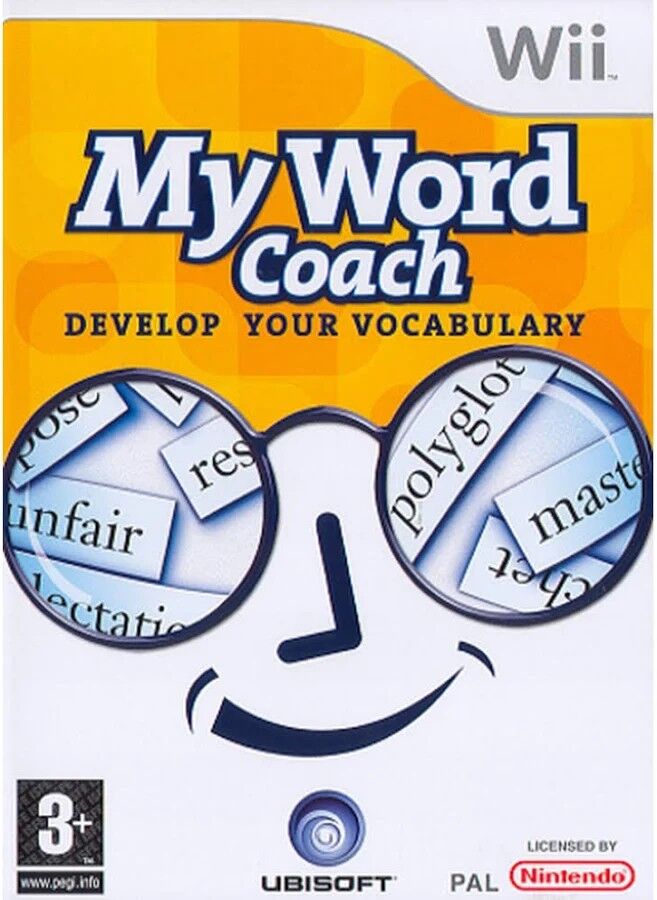
Ubisoft My Word Coach (Wii) Vocabulary Building Educational Game - YellowMy Word Coach (Wii) – Vocabulary Building Educational Game – Yellow Product Description My Word Coach for Wii is an interactive educational game designed to improve vocabulary, spelling, and word usage skills in a fun and engaging way. Developed as a brain-training style experience, it helps players expand their language abilities through mini-games, challenges, and progressive difficulty levels. The game is suitable for players of all ages who want to strengthen their English language skills while enjoying gameplay on the Nintendo Wii console. It includes a variety of activities that focus on word recognition, definitions, spelling accuracy, and vocabulary building. As players progress, the challenges become more advanced, helping to continuously improve language skills over time. With its simple controls using the Wii Remote, My Word Coach makes learning interactive and accessible. It encourages consistent practice through daily challenges and score tracking, making it both educational and motivating. This Yellow edition packaging presents a bright and eye-catching design, making it a great addition for educational game collectors or families looking for learning-focused entertainment.8,49 £*Shipping: 0,00 £Secure redirect to the provider
-
Monika Blunder Beauty Body Language Botanical Oil 100mLA body oil for dull skin. Intense hydration: Almond, Rosehip, and Marula Oils quench dryness. Natural luminosity: Meadowfoam oil gives skin a dewy sheen. Antioxidant protection: Edelweiss Extract defends against free radicals. Soft, supple skin: Arnica maintains skin's softness and suppleness. Transform your skin with Body Language Oil —a luxurious blend of nourishing oils and potent antioxidants.54,73 £*Shipping: 7,11 £Secure redirect to the provider
-
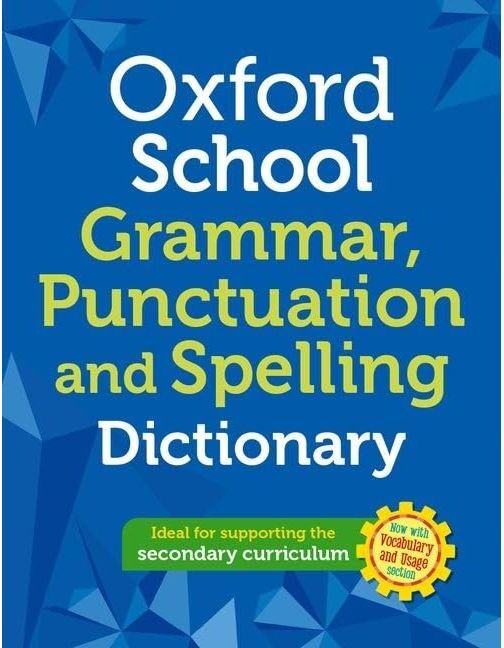
OXFORD UNIVERSITY PRESS Oxford School Spelling Punctuation And Grammar DictionaryWith a clear, colour layout, this is a dictionary with a difference. It covers all the grammar terms required for the KS3 curriculum, punctuation marks and when to use them, and spelling rules, tips and examples. New for this edition is a section on vocabulary and usage which provides perfect support for building language in context and improving writing skills in secondary school. Finally, there is an alphabetical dictionary of tricky spellings with hints and tips on how to avoid making common spelling mistakes. These words are chosen using analysis of real children's writing in the Oxford Children's Corpus. This unique dictionary is a valuable resource for exam preparation, including GCSEs. Online activities provide easy practice at home or can be usedas part of lesson starters and homework. For free downloadable activity worksheets, go to www.oxfordschooldictionaries.com.7,90 £*Shipping: 2,99 £Secure redirect to the provider
-
Everyday Crate Smart Azan Prayer Clock With Hijri Calendar, Temperature Display & Dual Language Alarm Smart Azan Prayer Clock With Hijri Calendar, Temperature Display & Dual Language AlarmFeel confident knowing every prayer time is right at your fingertips. This Azan clock is designed for Muslims who want a simple, reliable way to stay connected to daily prayers while keeping track of time, date, and temperature. Featuring automatic...49,97 $*Shipping: 0,00 $Secure redirect to the provider


-
Can dyslexia disappear?
Dyslexia is a lifelong condition that does not disappear. However, with proper support and intervention, individuals with dyslexia can learn strategies to manage their challenges and improve their reading and writing skills. Early identification and intervention are key in helping individuals with dyslexia to develop coping mechanisms and succeed in school and beyond. While dyslexia may not disappear, individuals with dyslexia can learn to thrive and achieve their full potential with the right support. **
-
What causes dyslexia?
Dyslexia is believed to be caused by a combination of genetic and environmental factors. Research suggests that there is a genetic component to dyslexia, as it often runs in families. Additionally, differences in brain structure and function have been observed in individuals with dyslexia, particularly in areas of the brain involved in language processing. Environmental factors, such as exposure to certain toxins during pregnancy or early childhood, may also play a role in the development of dyslexia. Overall, dyslexia is a complex condition with multiple contributing factors. **
-
What is dyslexia?
Dyslexia is a learning disorder that affects a person's ability to read, write, and spell. It is a neurological condition that can make it difficult for individuals to process and interpret language. People with dyslexia may have trouble with phonological processing, which can impact their reading fluency and comprehension. It is important to note that dyslexia does not affect intelligence, and with proper support and interventions, individuals with dyslexia can learn to read and succeed academically. **
-
"Do I have dyslexia?"
If you are concerned that you may have dyslexia, it is important to seek an evaluation from a qualified professional, such as a psychologist or educational specialist. They can administer assessments and provide a diagnosis based on your specific symptoms and experiences. It is important to remember that dyslexia is a common learning difference that can be managed and accommodated with the right support and interventions. Seeking a professional evaluation can provide clarity and guidance on how to best address your individual needs. **


What are dyslexia and dyscalculia?
Dyslexia is a learning disorder that affects a person's ability to read, spell, and write. It is characterized by difficulties with phonological processing, which can make it challenging for individuals to decode words and understand written language. Dyscalculia, on the other hand, is a learning disorder that affects a person's ability to understand and work with numbers. Individuals with dyscalculia may have difficulty with basic arithmetic, understanding mathematical concepts, and performing mathematical calculations. Both dyslexia and dyscalculia are neurodevelopmental disorders that can impact a person's academic performance and daily functioning, but with appropriate support and interventions, individuals with these conditions can learn to manage their challenges and succeed in school and beyond. **
Does my friend have dyslexia?
I'm not a qualified professional to diagnose dyslexia, but I can provide some general signs to look out for. Dyslexia can manifest as difficulty with reading, spelling, and writing, as well as trouble with phonological awareness and processing speed. Your friend may also struggle with organization and time management. It's important to encourage your friend to seek a professional evaluation from a qualified psychologist or educational specialist for an accurate diagnosis and appropriate support. **
Top-Angebote
Products related to Dyslexia:
-
Jessica Kingsley Publishers The Self-Help Guide for Teens with Dyslexia: Useful Stuff You May Not Learn at School by Alais WintonGold Medal Winner in the Self-Help category of the 2015 Foreword Reviews' INDIEFAB Book of the Year AwardsAs Alais Winton knows, having dyslexia doesn't mean you're not bright; like her, you might just need a different way of looking at things. In this book, she lets you in on the learning techniques which work for her, and which you may not be taught at school.Offering solutions to common problems students with dyslexia face, Alais describes tried-and-tested techniques for succeeding with reading, spelling, memorising information and time management, and even a simple method to ensure you never misplace your learning tools (such as pencils and books) again. The strategies are ideal for use in the run-up to exams, helping you to become more organised, less stressed and better prepared.This is a must-read pocket guide for students with dyslexia aged 11 to 18, and will also be a helpful source of ideas for teachers, SENCOs and parents of teens with dyslexia12,99 £*Shipping: 2,99 £Secure redirect to the provider
-
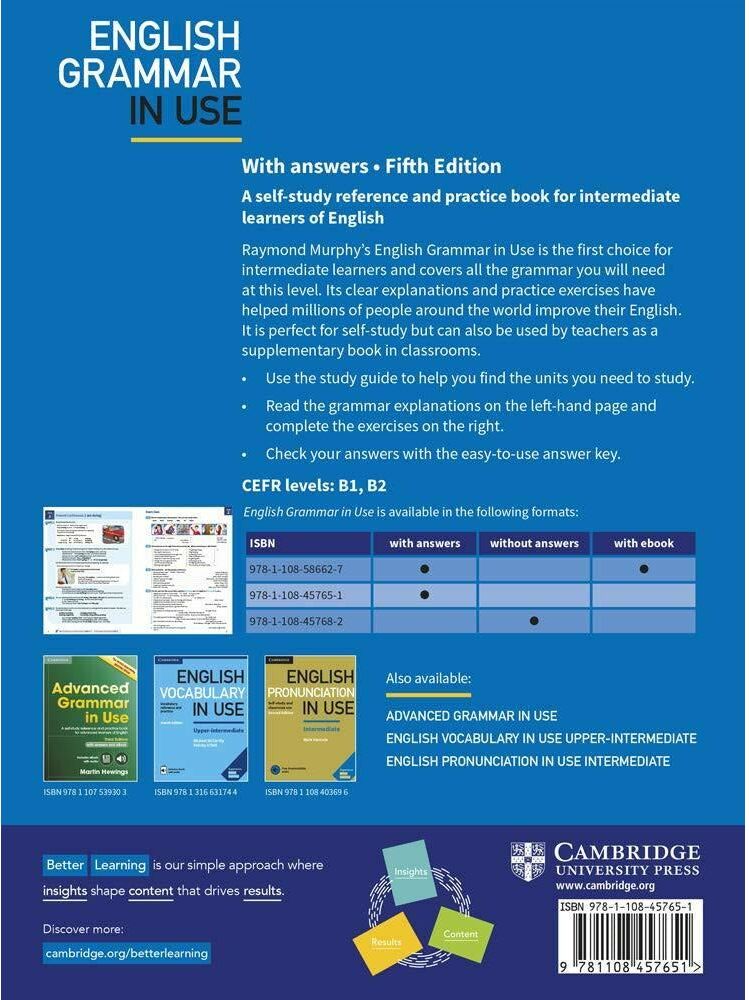
Cambridge University Press English Grammar in Use with Answers by Raymond Murphy – Self-Study Grammar Book for Intermediate LearnersEnglish Grammar in Use with Answers; authored by Raymond Murphy; is the first choice for intermediate (B1-B2) learners and covers all the grammar required at this level. It is a self-study book with simple explanations and lots of practice exercises; and has helped millions of people around the world to communicate in English. It is also trusted by teachers and can be used as a supplementary text in classrooms.12,49 £*Shipping: 2,99 £Secure redirect to the provider
-
Ubisoft My Word Coach (Wii) Vocabulary Building Educational Game - YellowMy Word Coach (Wii) – Vocabulary Building Educational Game – Yellow Product Description My Word Coach for Wii is an interactive educational game designed to improve vocabulary, spelling, and word usage skills in a fun and engaging way. Developed as a brain-training style experience, it helps players expand their language abilities through mini-games, challenges, and progressive difficulty levels. The game is suitable for players of all ages who want to strengthen their English language skills while enjoying gameplay on the Nintendo Wii console. It includes a variety of activities that focus on word recognition, definitions, spelling accuracy, and vocabulary building. As players progress, the challenges become more advanced, helping to continuously improve language skills over time. With its simple controls using the Wii Remote, My Word Coach makes learning interactive and accessible. It encourages consistent practice through daily challenges and score tracking, making it both educational and motivating. This Yellow edition packaging presents a bright and eye-catching design, making it a great addition for educational game collectors or families looking for learning-focused entertainment.8,49 £*Shipping: 0,00 £Secure redirect to the provider
-
Monika Blunder Beauty Body Language Botanical Oil 100mLA body oil for dull skin. Intense hydration: Almond, Rosehip, and Marula Oils quench dryness. Natural luminosity: Meadowfoam oil gives skin a dewy sheen. Antioxidant protection: Edelweiss Extract defends against free radicals. Soft, supple skin: Arnica maintains skin's softness and suppleness. Transform your skin with Body Language Oil —a luxurious blend of nourishing oils and potent antioxidants.54,73 £*Shipping: 7,11 £Secure redirect to the provider
-
What is the difference between dyslexia and learning disability?
Dyslexia is a specific learning disability that affects a person's ability to read, write, and spell. It is a neurological condition that impacts the way the brain processes language. On the other hand, learning disability is a broader term that encompasses a range of conditions that affect a person's ability to learn and process information. While dyslexia is a type of learning disability, not all learning disabilities are related to reading and language processing. Learning disabilities can also affect areas such as math, writing, and problem-solving. **
-
"Is dyslexia registered?"
Yes, dyslexia is a recognized learning disability that can be registered with educational institutions and organizations. Students with dyslexia may be eligible for accommodations and support services to help them succeed in their academic pursuits. It is important for individuals with dyslexia to seek out appropriate resources and support to help them navigate their educational and professional endeavors. **
-
Can dyslexia disappear?
Dyslexia is a lifelong condition that does not disappear. However, with proper support and intervention, individuals with dyslexia can learn strategies to manage their challenges and improve their reading and writing skills. Early identification and intervention are key in helping individuals with dyslexia to develop coping mechanisms and succeed in school and beyond. While dyslexia may not disappear, individuals with dyslexia can learn to thrive and achieve their full potential with the right support. **
-
What causes dyslexia?
Dyslexia is believed to be caused by a combination of genetic and environmental factors. Research suggests that there is a genetic component to dyslexia, as it often runs in families. Additionally, differences in brain structure and function have been observed in individuals with dyslexia, particularly in areas of the brain involved in language processing. Environmental factors, such as exposure to certain toxins during pregnancy or early childhood, may also play a role in the development of dyslexia. Overall, dyslexia is a complex condition with multiple contributing factors. **
Similar search terms for Dyslexia
-
OXFORD UNIVERSITY PRESS Oxford School Spelling Punctuation And Grammar DictionaryWith a clear, colour layout, this is a dictionary with a difference. It covers all the grammar terms required for the KS3 curriculum, punctuation marks and when to use them, and spelling rules, tips and examples. New for this edition is a section on vocabulary and usage which provides perfect support for building language in context and improving writing skills in secondary school. Finally, there is an alphabetical dictionary of tricky spellings with hints and tips on how to avoid making common spelling mistakes. These words are chosen using analysis of real children's writing in the Oxford Children's Corpus. This unique dictionary is a valuable resource for exam preparation, including GCSEs. Online activities provide easy practice at home or can be usedas part of lesson starters and homework. For free downloadable activity worksheets, go to www.oxfordschooldictionaries.com.7,90 £*Shipping: 2,99 £Secure redirect to the provider
-
Everyday Crate Smart Azan Prayer Clock With Hijri Calendar, Temperature Display & Dual Language Alarm Smart Azan Prayer Clock With Hijri Calendar, Temperature Display & Dual Language AlarmFeel confident knowing every prayer time is right at your fingertips. This Azan clock is designed for Muslims who want a simple, reliable way to stay connected to daily prayers while keeping track of time, date, and temperature. Featuring automatic...49,97 $*Shipping: 0,00 $Secure redirect to the provider
-
KC Cubs: Educational Rug: ABC Alphabet ASL Sign Language, 5x7' PlaymatKC CUBS 5X7 ABC ALPHABET ASL SIGN LANGUAGE RUG - Introduce your child to the world of American Sign Language (ASL) in the most colorful and engaging way with the KC Cubs ASL Alphabet Educational Rug.81,99 $*Shipping: 0,00 $Secure redirect to the provider
-
KC Cubs: Educational Rug: ABC Alphabet ASL Sign Language, 3x5' PlaymatKC CUBS 3X5 ABC ALPHABET ASL SIGN LANGUAGE RUG - Introduce your child to the world of American Sign Language (ASL) in the most colorful and engaging way with the KC Cubs ASL Alphabet Educational Rug.53,99 $*Shipping: 0,00 $Secure redirect to the provider
-
What is dyslexia?
Dyslexia is a learning disorder that affects a person's ability to read, write, and spell. It is a neurological condition that can make it difficult for individuals to process and interpret language. People with dyslexia may have trouble with phonological processing, which can impact their reading fluency and comprehension. It is important to note that dyslexia does not affect intelligence, and with proper support and interventions, individuals with dyslexia can learn to read and succeed academically. **
-
"Do I have dyslexia?"
If you are concerned that you may have dyslexia, it is important to seek an evaluation from a qualified professional, such as a psychologist or educational specialist. They can administer assessments and provide a diagnosis based on your specific symptoms and experiences. It is important to remember that dyslexia is a common learning difference that can be managed and accommodated with the right support and interventions. Seeking a professional evaluation can provide clarity and guidance on how to best address your individual needs. **
-
What are dyslexia and dyscalculia?
Dyslexia is a learning disorder that affects a person's ability to read, spell, and write. It is characterized by difficulties with phonological processing, which can make it challenging for individuals to decode words and understand written language. Dyscalculia, on the other hand, is a learning disorder that affects a person's ability to understand and work with numbers. Individuals with dyscalculia may have difficulty with basic arithmetic, understanding mathematical concepts, and performing mathematical calculations. Both dyslexia and dyscalculia are neurodevelopmental disorders that can impact a person's academic performance and daily functioning, but with appropriate support and interventions, individuals with these conditions can learn to manage their challenges and succeed in school and beyond. **
-
Does my friend have dyslexia?
I'm not a qualified professional to diagnose dyslexia, but I can provide some general signs to look out for. Dyslexia can manifest as difficulty with reading, spelling, and writing, as well as trouble with phonological awareness and processing speed. Your friend may also struggle with organization and time management. It's important to encourage your friend to seek a professional evaluation from a qualified psychologist or educational specialist for an accurate diagnosis and appropriate support. **
* All prices are inclusive of VAT and, if applicable, plus shipping costs. The offer information is based on the details provided by the respective shop and is updated through automated processes. Real-time updates do not occur, so deviations can occur in individual cases. ** Note: Parts of this content were created by AI.