Buy gramatvede.eu ?
We are moving the project
gramatvede.eu .
Are you interested in purchasing the domain
gramatvede.eu ?
domain@kv-gmbh.de · 0541-91531010
Buy gramatvede.eu ?
Should federal authorities use gender-neutral language in their publications?
Yes, federal authorities should use gender-neutral language in their publications. Using gender-neutral language promotes inclusivity and avoids reinforcing gender stereotypes. It also ensures that all individuals, regardless of their gender identity, feel represented and respected. By using gender-neutral language, federal authorities can demonstrate their commitment to equality and diversity. **
Is this colloquial language or a language analysis?
This is a language analysis. The question is asking for a comparison between two types of language, colloquial language and language analysis. It is not using colloquial language itself, but rather discussing the distinction between the two types of language. **
Similar search terms for SAGE-Publications-Thematic-Analysis
Top-Angebote
Products related to SAGE-Publications-Thematic-Analysis:
-
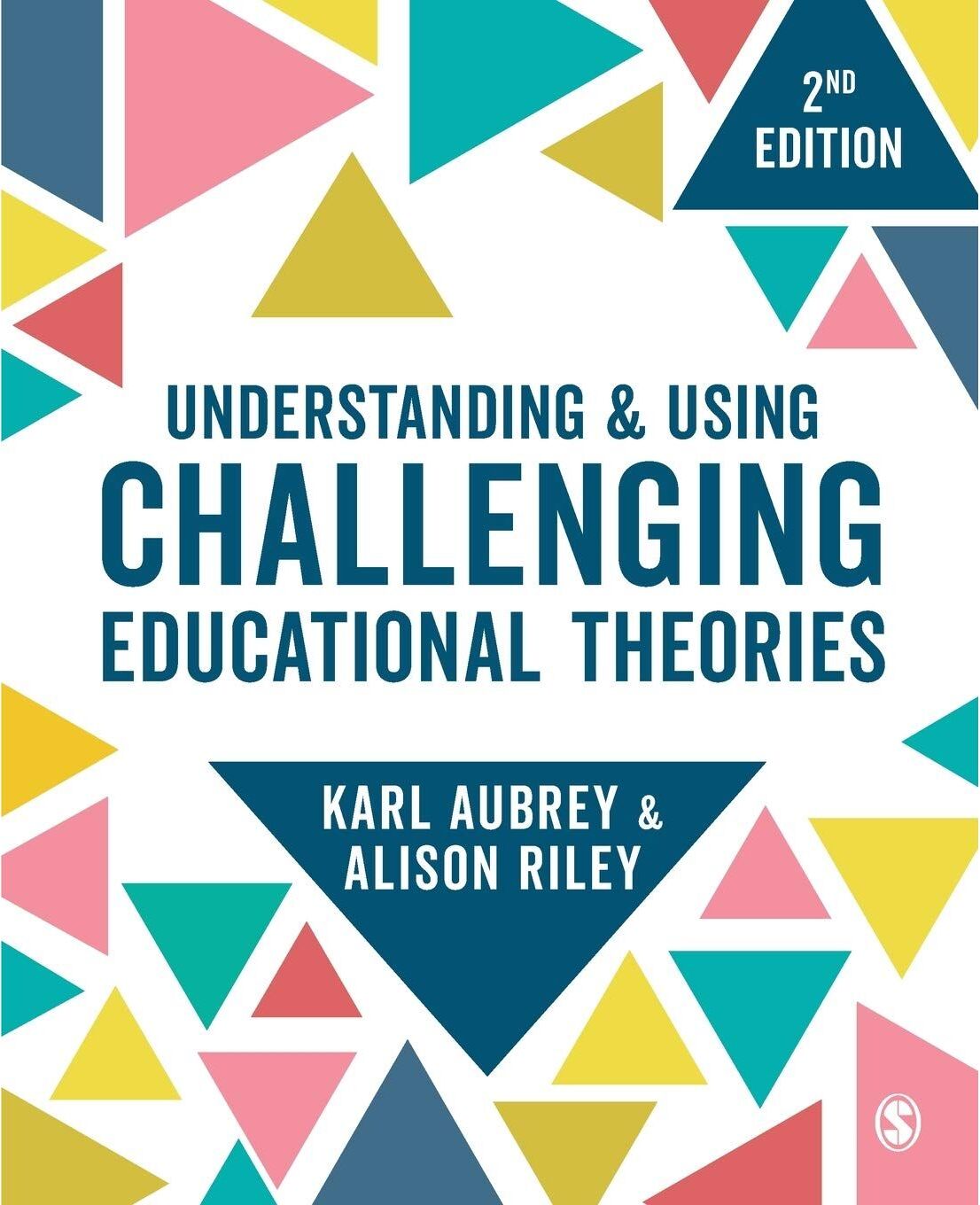
SAGE Publications Understanding and Using Challenging Educational TheoriesIntroducing you to 18 key educational thinkers who have offered challenging perspectives on education, this new edition comes with:- 3 new chapters on Ivan Illich, Loris Malaguzzi and Michael Apple- A glossary of key words related to each theorist’s work- A context-setting overview of key themes- Practical examples that shows how theories can be applied to your practice17,49 £*Shipping: 2,99 £Secure redirect to the provider
-
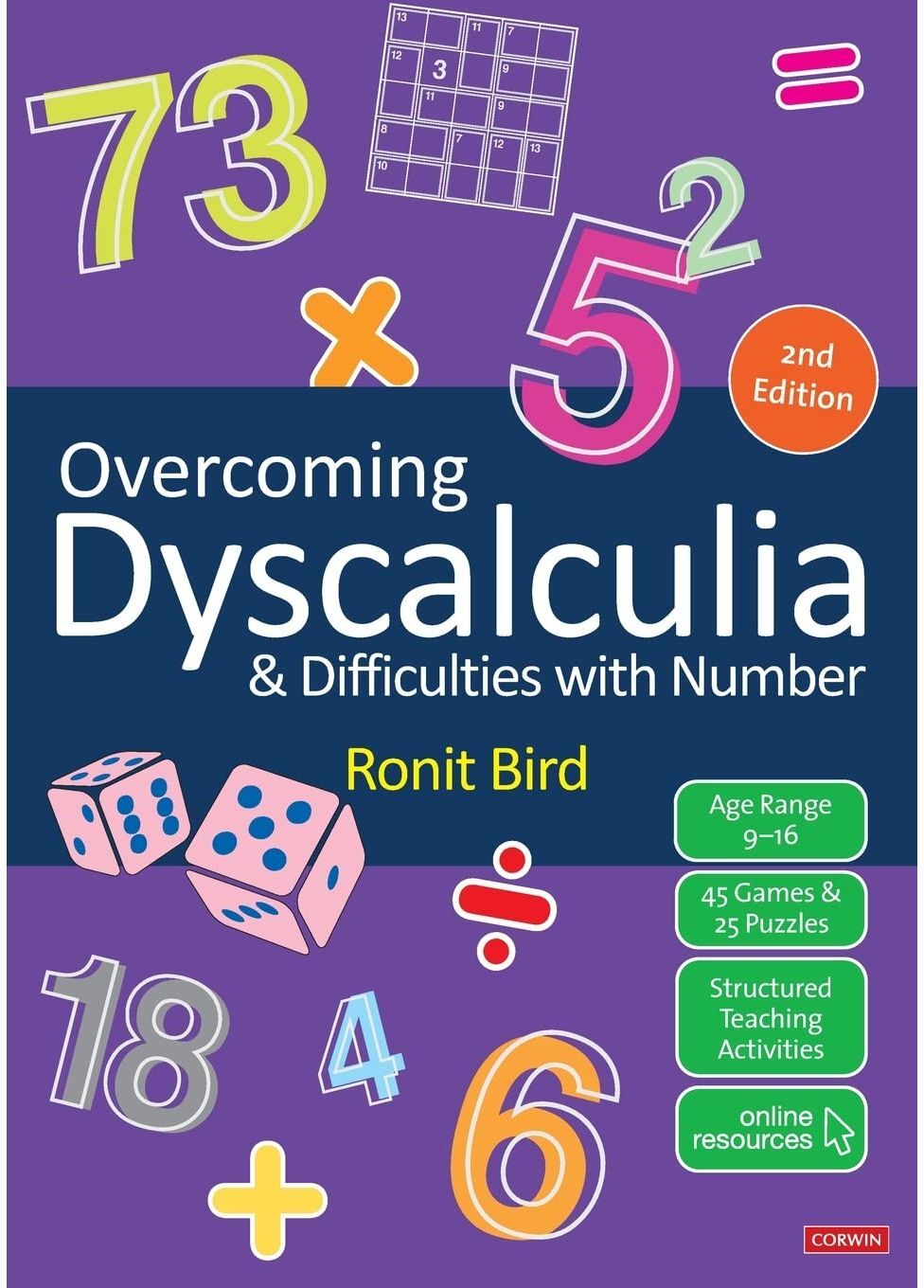
SAGE Publications Overcoming Dyscalculia and Difficulties with NumberThis practical book draws on Ronit Bird’s teaching experience to create detailed strategies and teaching plans for students aged 9-16 who have difficulties with number. Activities and games are used to teach numeracy skills in these key areas: number components, bridging, multiplication, division and reasoning strategies. New to this edition: An updated Part I, improving the clarity and flow of the teaching ideas, including a table mapping games against specific teaching points More activities and guidance for multiplication and division A new Part V, consolidating new and existing teaching games in one place 4 new videos added to the online resources This is an ideal resource for class teachers, SENCO (Special Educational Needs Co-ordinator) and maths subject leader, and is equally useful for teaching assistants and learning support assistants.27,95 £*Shipping: 2,99 £Secure redirect to the provider
-
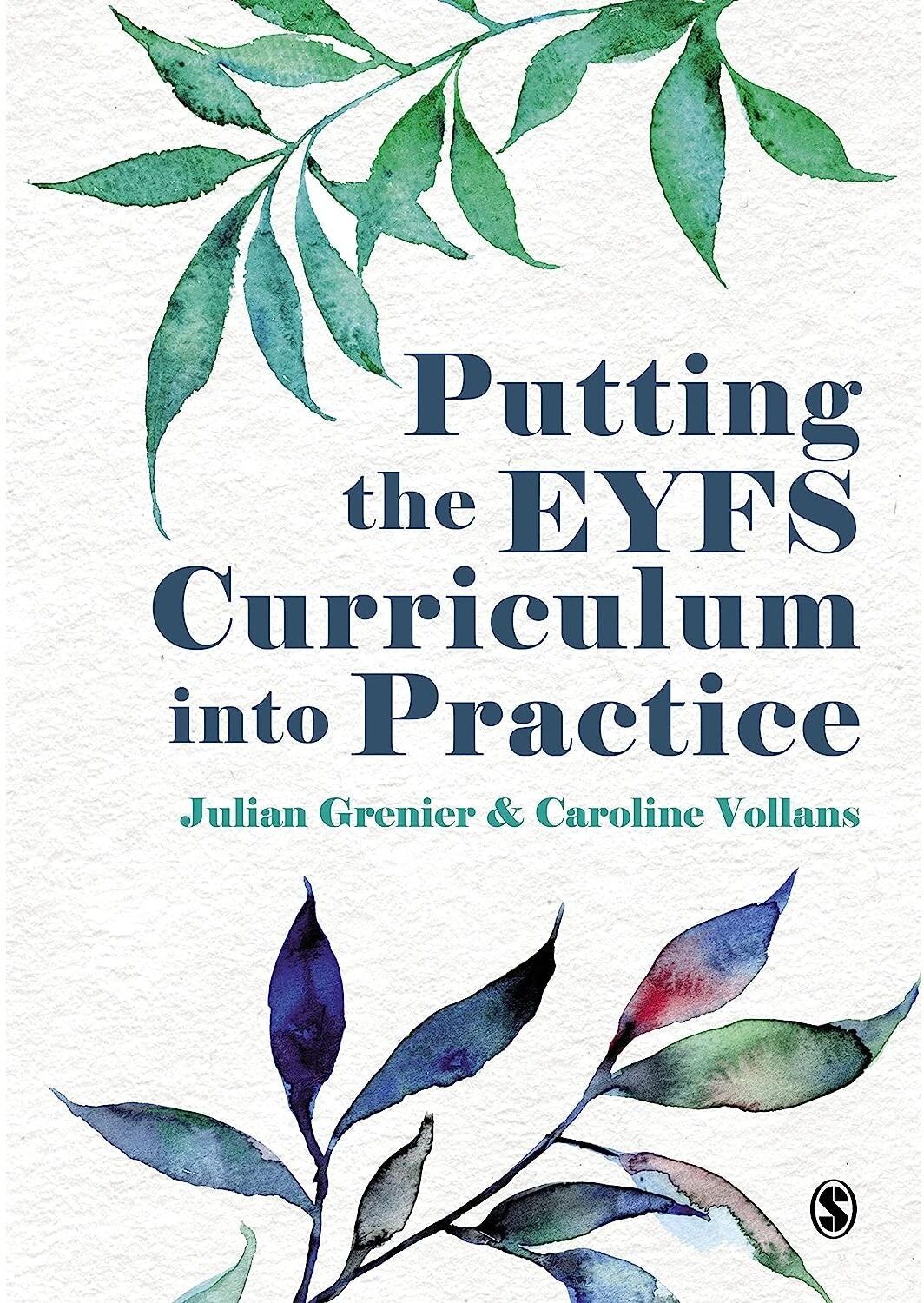
SAGE Publications Putting the EYFS Curriculum into PracticeHow should practitioners and leaders set about designing and implementing their curriculum in the Early Years Foundation Stage? Written by experts in the field, this book provides clear, practical guidance on each of the 7 areas of learning and development in the revised (2021) EYFS. Chapters cover key topics including, assessment, inclusion of children with SEND, English as an Additional Language, equalities, anti-racism, provision for disadvantaged children, professional development and using research and evidence.Designed for practising teachers, early years educators, students on early years degrees and trainee teachers, this engaging book provides an accessible guide to putting revised EYFS into practice.20,99 £*Shipping: 2,99 £Secure redirect to the provider
-
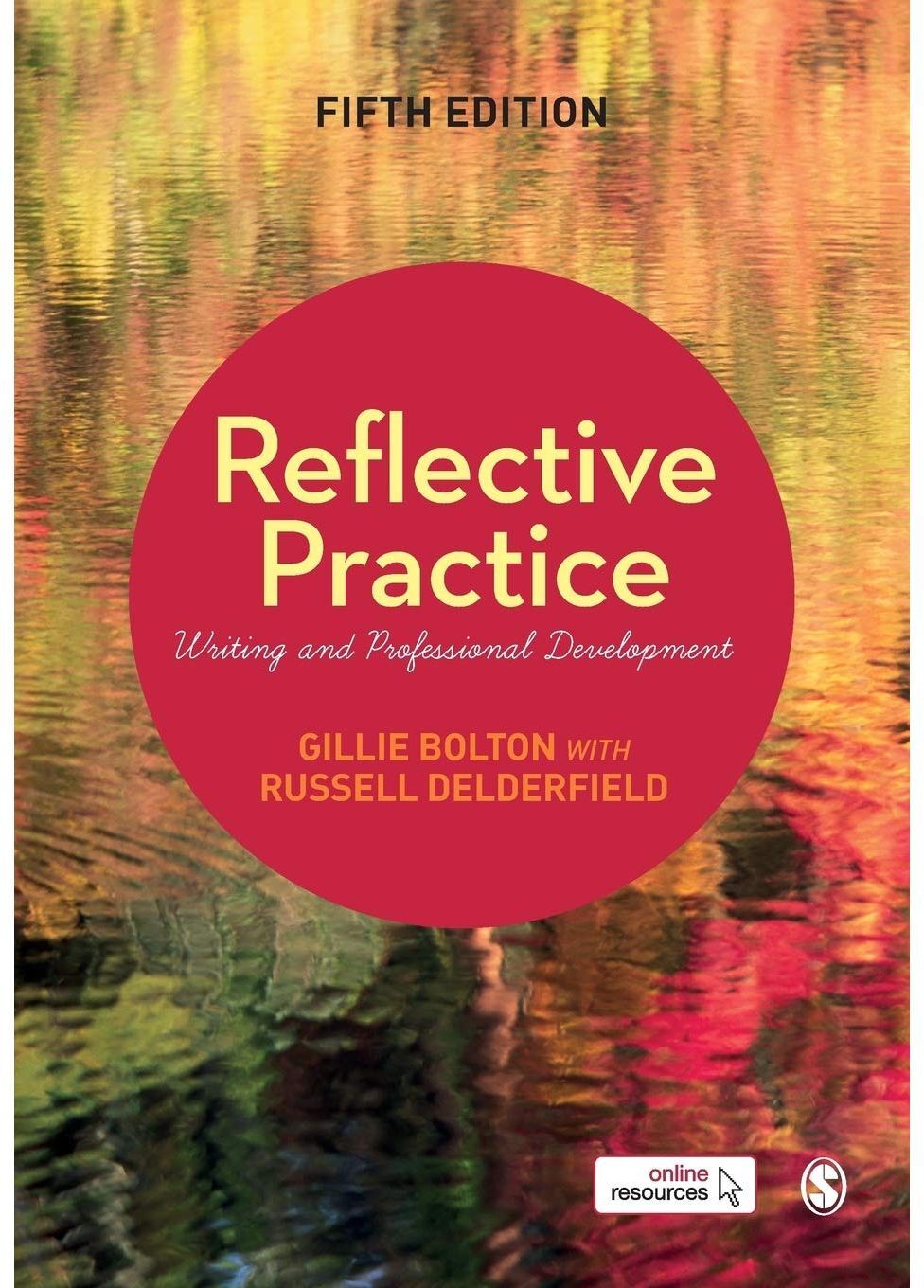
SAGE Publications Reflective Practice: Writing and Professional DevelopmentReflecting thoughtfully on your work is vital for improving your own self-awareness, effectiveness and professional development. This newly updated fifth edition of Gillie Bolton’s bestselling book explores reflective writing as a creative and dynamic process for this critical enquiry. New to this edition: An expanded range of exercises and activities A new emphasis on using e-portfolios Further guidance on reflective writing assignments Enhanced discussion of reflection as a key employability skill Additional online resources This popular book has been used worldwide in various disciplines including education, social work, business and management, medicine and healthcare and is essential reading for students and professionals seeking to enhance their reflective writing skills and to examine their own practice in greater critical depth.18,19 £*Shipping: 2,99 £Secure redirect to the provider
-
How do you start a language analysis?
To start a language analysis, you should first carefully read and understand the text you are analyzing. Take note of the author's purpose, tone, and main arguments. Identify key themes, literary devices, and persuasive techniques used in the text. Then, organize your analysis by creating an outline that includes an introduction, body paragraphs discussing different aspects of the text, and a conclusion that summarizes your main points. Finally, support your analysis with evidence from the text to strengthen your arguments. **
-
How do I train the language analysis?
To train language analysis, you can start by practicing with short texts or passages and identifying the main ideas, key words, and tone of the language. You can also work on analyzing the structure and organization of the text, as well as the use of language devices such as metaphors, similes, and imagery. Additionally, studying different types of writing styles and genres can help you develop a deeper understanding of language analysis. Finally, seeking feedback from peers or instructors can also be beneficial in improving your language analysis skills. **
-
'How do I write a language analysis?'
When writing a language analysis, start by identifying the main argument or message of the text. Then, analyze the language techniques used by the author to convey their message, such as tone, word choice, and figurative language. Consider the context in which the text was written and the intended audience. Finally, provide a critical evaluation of the effectiveness of the language techniques in conveying the author's message and persuading the audience. Make sure to support your analysis with evidence from the text. **
-
What vocabulary is needed for the analysis of English films?
The vocabulary needed for the analysis of English films includes terms related to film techniques such as cinematography, editing, sound design, and lighting. Additionally, understanding terms related to storytelling elements such as plot, character development, and theme is important. Knowledge of film genres, narrative structures, and film theory can also enhance the analysis of English films. Finally, familiarity with terms related to acting, directing, and production can provide valuable insights into the creative and technical aspects of filmmaking. **
Should one learn grammar or vocabulary first when learning Japanese?
When learning Japanese, it is generally recommended to start with vocabulary before diving into grammar. Building a strong vocabulary base will help you understand and communicate better in the language. Once you have a good grasp of basic vocabulary, you can then focus on learning grammar rules to structure your sentences correctly. Ultimately, a balance of both vocabulary and grammar is essential for mastering Japanese. **
What should be included in a language analysis?
A language analysis should include an examination of the author's purpose, tone, and intended audience. It should also analyze the use of rhetorical devices, such as imagery, figurative language, and persuasive techniques. Additionally, a language analysis should explore the overall structure and organization of the text, as well as the effectiveness of the author's argument or message. **
Top-Angebote
Products related to SAGE-Publications-Thematic-Analysis:
-
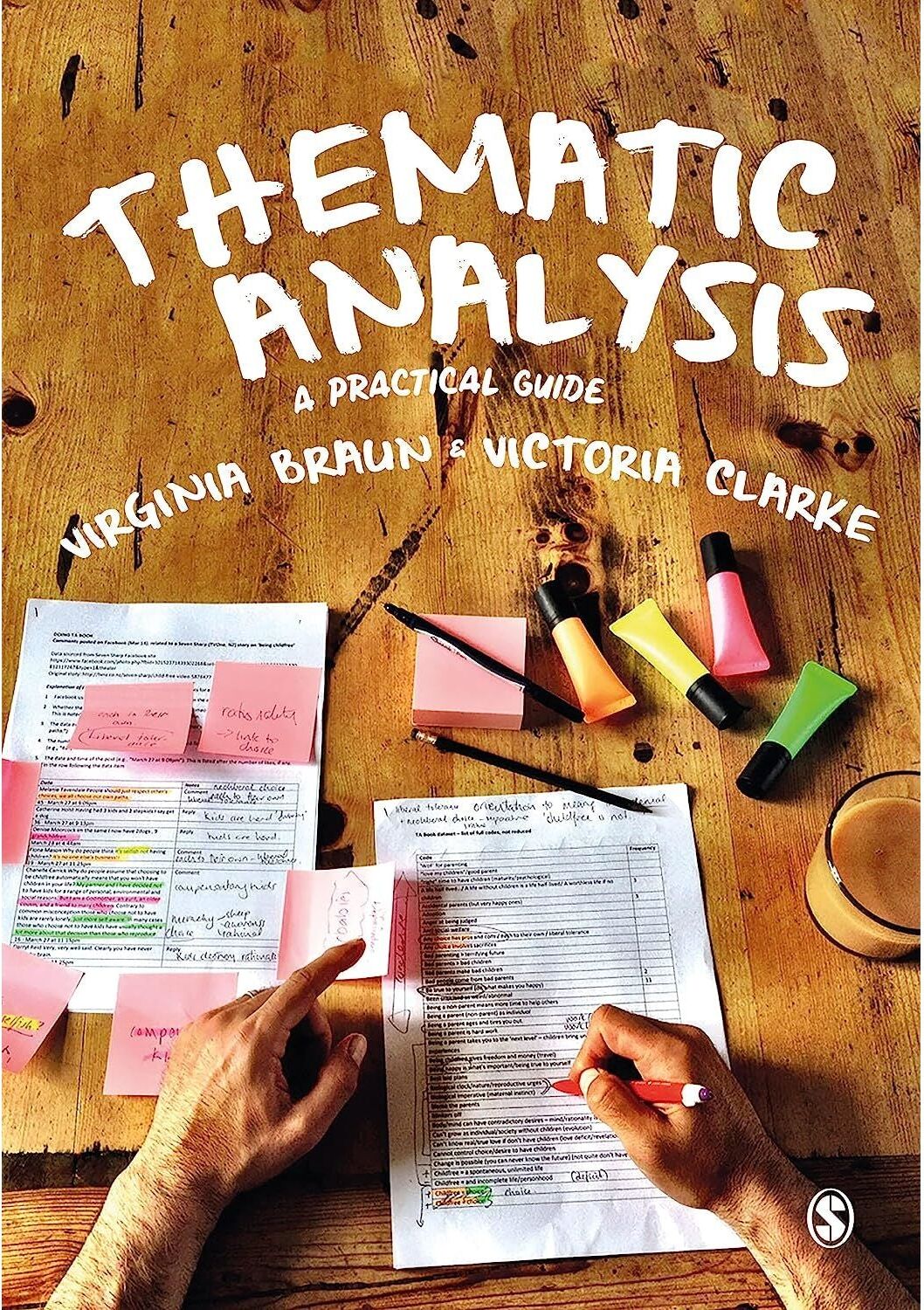
SAGE Publications Thematic Analysis: A Practical GuideDeveloped and adapted by the authors of this book, thematic analysis (TA) is one of the most popular qualitative data analytic techniques in psychology and the social and health sciences. Building on the success of Braun & Clarke′s 2006 paper first outlining their approach - which has over 100,000 citations on Google Scholar - this book is the definitive guide to TA, covering:- Contextualisation of TA- Developing themes- Writing TA reports- Reflexive TAIt addresses the common questions surrounding TA as well as developments in the field, offering a highly accessible and practical discussion of doing TA situated within a clear understanding of the wider terrain of qualitative research.Virginia Braun is a Professor in the School of Psychology at The University of Auckland, Aotearoa New Zealand.Victoria Clarke is an Associate Professor in Qualitative and Critical Psychology in the Department of Social Sciences at the University of the West of England (UWE), Bristol.35,49 £*Shipping: 0,00 £Secure redirect to the provider
-
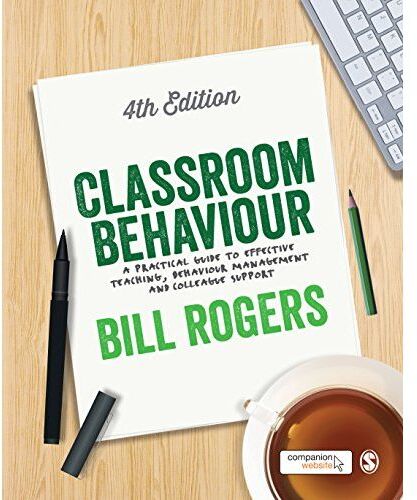
SAGE Publications Classroom Behaviour by Bill RogersThis exciting new edition of the best-selling and beloved teacher's companion looks at the everyday behaviour issues facing teachers working in today's classrooms. Describing real situations and dilemmas, Bill Rogers provides theoretically sound strategies and best practices to support you in meeting the challenges of the job, as well as building up a rapport with both students and colleagues to enable positive and productive learning environments. Written jargon-free in Bill's accessible and empathetic voice it includes in-depth strategies, practical examples, case studies and pragmatic hints and tips to put in to practice. This will make for informative and inspiring reading to all those involved in educating our children and young people. The new edition has been revised and updated and now also includes access to an interactive website packed with a host of extra material to take you further. Videos of Bill demonstrating his behaviour strategies in real classroom settings Podcasts where Bill explains his ideas and ethos in more detail as well as answering teachers' FAQs Extra reading material for even more support on difficult subjects Behaviour Management Tool Templates to use with students in the everyday classroom Role-play scenario cards to help understand and prepare for challenging situations "We often think of behaviour management in terms of dealing with challenging behaviour, but Dr Rogers begins by looking at classroom organisation and whole-class strategies. Alongside the theory, he provides examples that create a much deeper understanding of exactly what works and what doesn’t." - Special magazine24,99 £*Shipping: 2,99 £Secure redirect to the provider
-
SAGE Publications Understanding and Using Challenging Educational TheoriesIntroducing you to 18 key educational thinkers who have offered challenging perspectives on education, this new edition comes with:- 3 new chapters on Ivan Illich, Loris Malaguzzi and Michael Apple- A glossary of key words related to each theorist’s work- A context-setting overview of key themes- Practical examples that shows how theories can be applied to your practice17,49 £*Shipping: 2,99 £Secure redirect to the provider
-
SAGE Publications Overcoming Dyscalculia and Difficulties with NumberThis practical book draws on Ronit Bird’s teaching experience to create detailed strategies and teaching plans for students aged 9-16 who have difficulties with number. Activities and games are used to teach numeracy skills in these key areas: number components, bridging, multiplication, division and reasoning strategies. New to this edition: An updated Part I, improving the clarity and flow of the teaching ideas, including a table mapping games against specific teaching points More activities and guidance for multiplication and division A new Part V, consolidating new and existing teaching games in one place 4 new videos added to the online resources This is an ideal resource for class teachers, SENCO (Special Educational Needs Co-ordinator) and maths subject leader, and is equally useful for teaching assistants and learning support assistants.27,95 £*Shipping: 2,99 £Secure redirect to the provider
-
Should federal authorities use gender-neutral language in their publications?
Yes, federal authorities should use gender-neutral language in their publications. Using gender-neutral language promotes inclusivity and avoids reinforcing gender stereotypes. It also ensures that all individuals, regardless of their gender identity, feel represented and respected. By using gender-neutral language, federal authorities can demonstrate their commitment to equality and diversity. **
-
Is this colloquial language or a language analysis?
This is a language analysis. The question is asking for a comparison between two types of language, colloquial language and language analysis. It is not using colloquial language itself, but rather discussing the distinction between the two types of language. **
-
How do you start a language analysis?
To start a language analysis, you should first carefully read and understand the text you are analyzing. Take note of the author's purpose, tone, and main arguments. Identify key themes, literary devices, and persuasive techniques used in the text. Then, organize your analysis by creating an outline that includes an introduction, body paragraphs discussing different aspects of the text, and a conclusion that summarizes your main points. Finally, support your analysis with evidence from the text to strengthen your arguments. **
-
How do I train the language analysis?
To train language analysis, you can start by practicing with short texts or passages and identifying the main ideas, key words, and tone of the language. You can also work on analyzing the structure and organization of the text, as well as the use of language devices such as metaphors, similes, and imagery. Additionally, studying different types of writing styles and genres can help you develop a deeper understanding of language analysis. Finally, seeking feedback from peers or instructors can also be beneficial in improving your language analysis skills. **
Similar search terms for SAGE-Publications-Thematic-Analysis
-
SAGE Publications Putting the EYFS Curriculum into PracticeHow should practitioners and leaders set about designing and implementing their curriculum in the Early Years Foundation Stage? Written by experts in the field, this book provides clear, practical guidance on each of the 7 areas of learning and development in the revised (2021) EYFS. Chapters cover key topics including, assessment, inclusion of children with SEND, English as an Additional Language, equalities, anti-racism, provision for disadvantaged children, professional development and using research and evidence.Designed for practising teachers, early years educators, students on early years degrees and trainee teachers, this engaging book provides an accessible guide to putting revised EYFS into practice.20,99 £*Shipping: 2,99 £Secure redirect to the provider
-
SAGE Publications Reflective Practice: Writing and Professional DevelopmentReflecting thoughtfully on your work is vital for improving your own self-awareness, effectiveness and professional development. This newly updated fifth edition of Gillie Bolton’s bestselling book explores reflective writing as a creative and dynamic process for this critical enquiry. New to this edition: An expanded range of exercises and activities A new emphasis on using e-portfolios Further guidance on reflective writing assignments Enhanced discussion of reflection as a key employability skill Additional online resources This popular book has been used worldwide in various disciplines including education, social work, business and management, medicine and healthcare and is essential reading for students and professionals seeking to enhance their reflective writing skills and to examine their own practice in greater critical depth.18,19 £*Shipping: 2,99 £Secure redirect to the provider
-
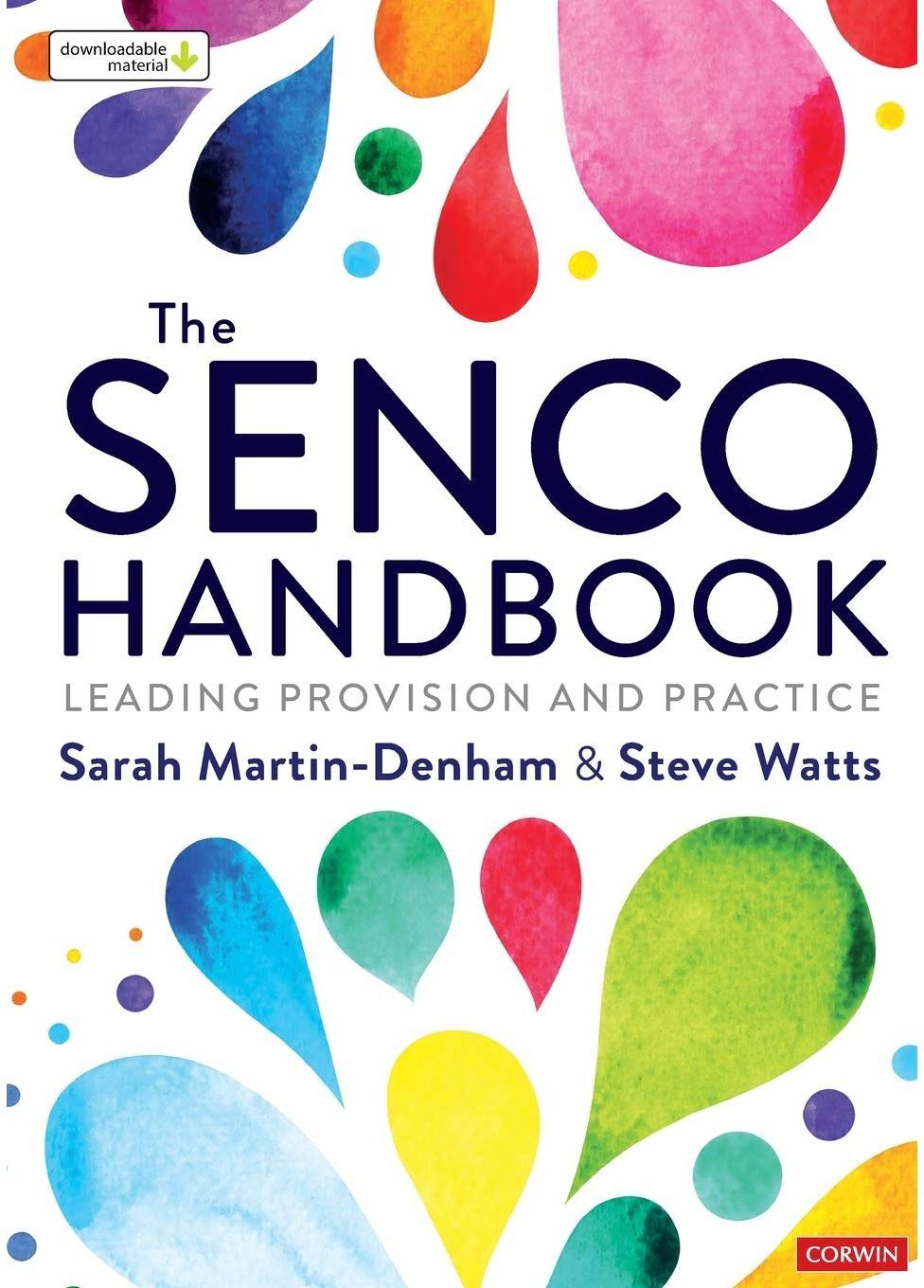
SAGE Publications The SENCO Handbook: Leading Provision and PracticeThis Handbook will give aspiring and practising SENCOs, teachers, Headteachers and Governors an in-depth knowledge and understanding of effective policy, provision and practice to meet the diverse needs of children with special educational needs and disabilities. Each chapter will provide: A theoretical underpinning Evidence-based information and examples Activities for professional learning and whole school development Easy to use and adaptable templates and checklists for use in settings Case studies to strengthen connections between theory and practice Providing comprehensive coverage of current issues, the understanding of how to improve provision and practice in their settings and written with consultation from practising SENCOs, this is essential reading for those studying towards their National Award for Special Educational Needs Co-ordination.23,87 £*Shipping: 2,99 £Secure redirect to the provider
-
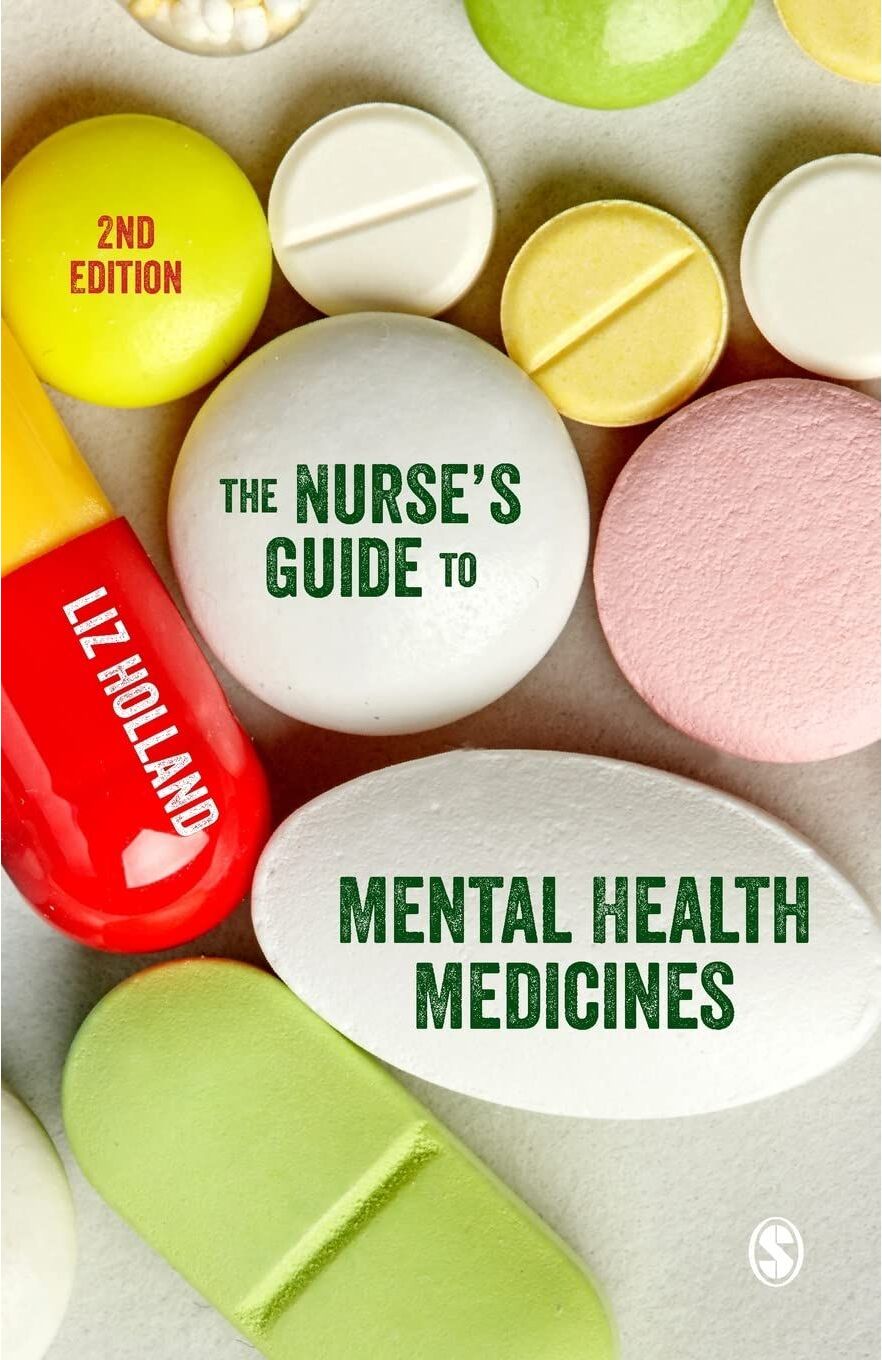
SAGE Publications The Nurse's Guide to Mental Health MedicinesA book written by nurses for nurses providing a simple guide to the most common medicines.Spanning 8 concise and highly readable chapters, the book explains the pharmacology of different drug types in simple terms while also considering the practical aspects of working with people requiring mental health medicines. Key features: A detailed ′Medicines List′ contained in each chapter providing the key information on dosages, brand names and possible adverse reactions Takes a life course approach highlighting specific considerations for children, pregnancy and older people Cuts through the complex terminology with clear and simple language supported by real world case studies18,87 £*Shipping: 2,99 £Secure redirect to the provider
-
'How do I write a language analysis?'
When writing a language analysis, start by identifying the main argument or message of the text. Then, analyze the language techniques used by the author to convey their message, such as tone, word choice, and figurative language. Consider the context in which the text was written and the intended audience. Finally, provide a critical evaluation of the effectiveness of the language techniques in conveying the author's message and persuading the audience. Make sure to support your analysis with evidence from the text. **
-
What vocabulary is needed for the analysis of English films?
The vocabulary needed for the analysis of English films includes terms related to film techniques such as cinematography, editing, sound design, and lighting. Additionally, understanding terms related to storytelling elements such as plot, character development, and theme is important. Knowledge of film genres, narrative structures, and film theory can also enhance the analysis of English films. Finally, familiarity with terms related to acting, directing, and production can provide valuable insights into the creative and technical aspects of filmmaking. **
-
Should one learn grammar or vocabulary first when learning Japanese?
When learning Japanese, it is generally recommended to start with vocabulary before diving into grammar. Building a strong vocabulary base will help you understand and communicate better in the language. Once you have a good grasp of basic vocabulary, you can then focus on learning grammar rules to structure your sentences correctly. Ultimately, a balance of both vocabulary and grammar is essential for mastering Japanese. **
-
What should be included in a language analysis?
A language analysis should include an examination of the author's purpose, tone, and intended audience. It should also analyze the use of rhetorical devices, such as imagery, figurative language, and persuasive techniques. Additionally, a language analysis should explore the overall structure and organization of the text, as well as the effectiveness of the author's argument or message. **
* All prices are inclusive of VAT and, if applicable, plus shipping costs. The offer information is based on the details provided by the respective shop and is updated through automated processes. Real-time updates do not occur, so deviations can occur in individual cases. ** Note: Parts of this content were created by AI.